Physynex Services

Physiotherapy Services in Chennai for Pain Relief, Sports Rehab, and Recovery.

Explore assessment-led physiotherapy services in Chennai for back pain, neck pain, sports injuries, post-operative rehabilitation, posture care, and long-term recovery.

How Care Is Delivered

A service model built to move you from pain to performance.

The service list matters, but the clinical process matters more. Every Physynex program is built around assessment, targeted treatment, and progressive loading so that your plan stays specific to what you actually need.

Phase 01

Assessment First

Every plan starts with a structured clinical assessment and a clear working diagnosis.

Phase 02

Targeted Treatment

Treatment choices are matched to your symptoms, movement quality, and recovery stage.

Phase 03

Measured Progression

Exercise and loading progress with regular checkpoints so recovery stays safe and objective.

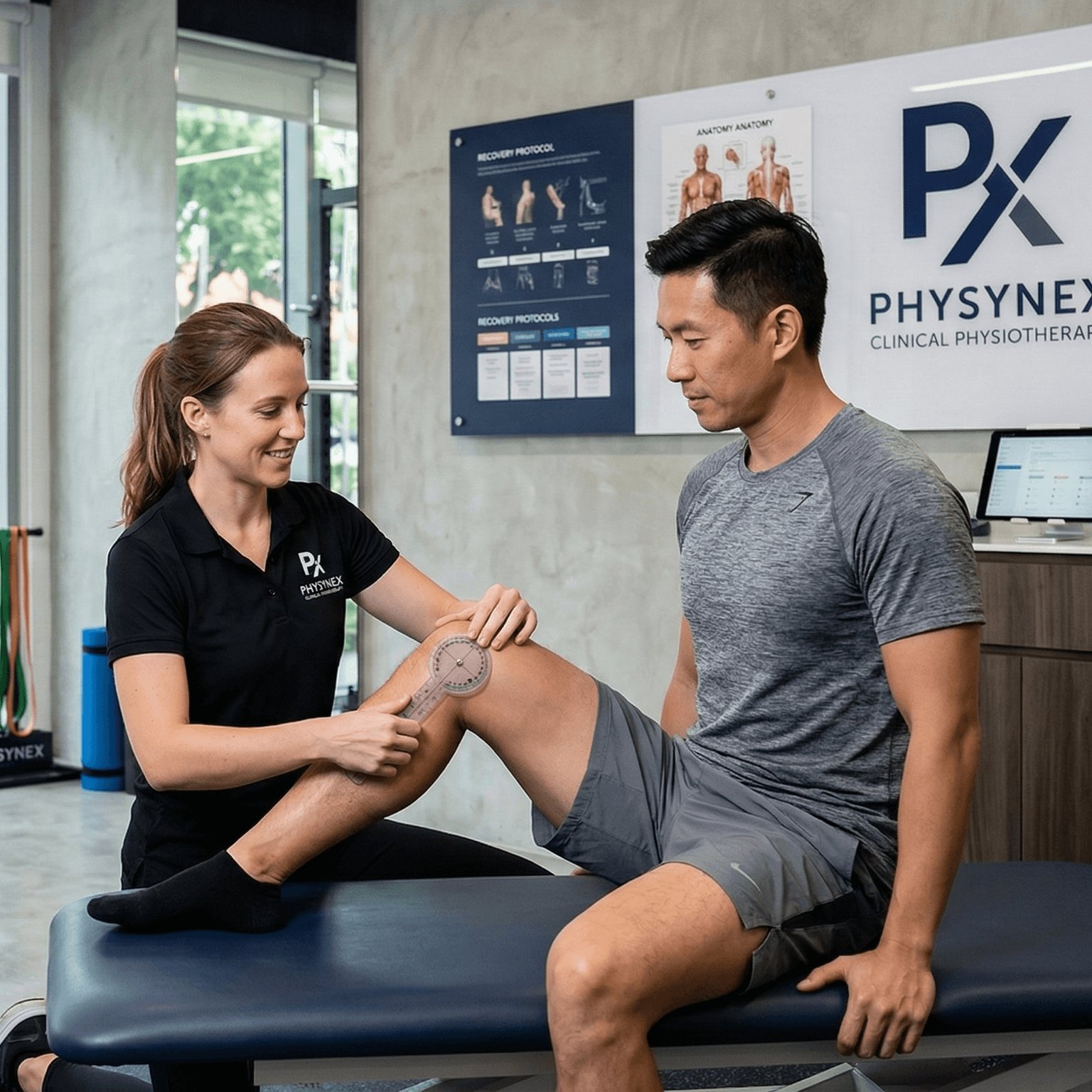
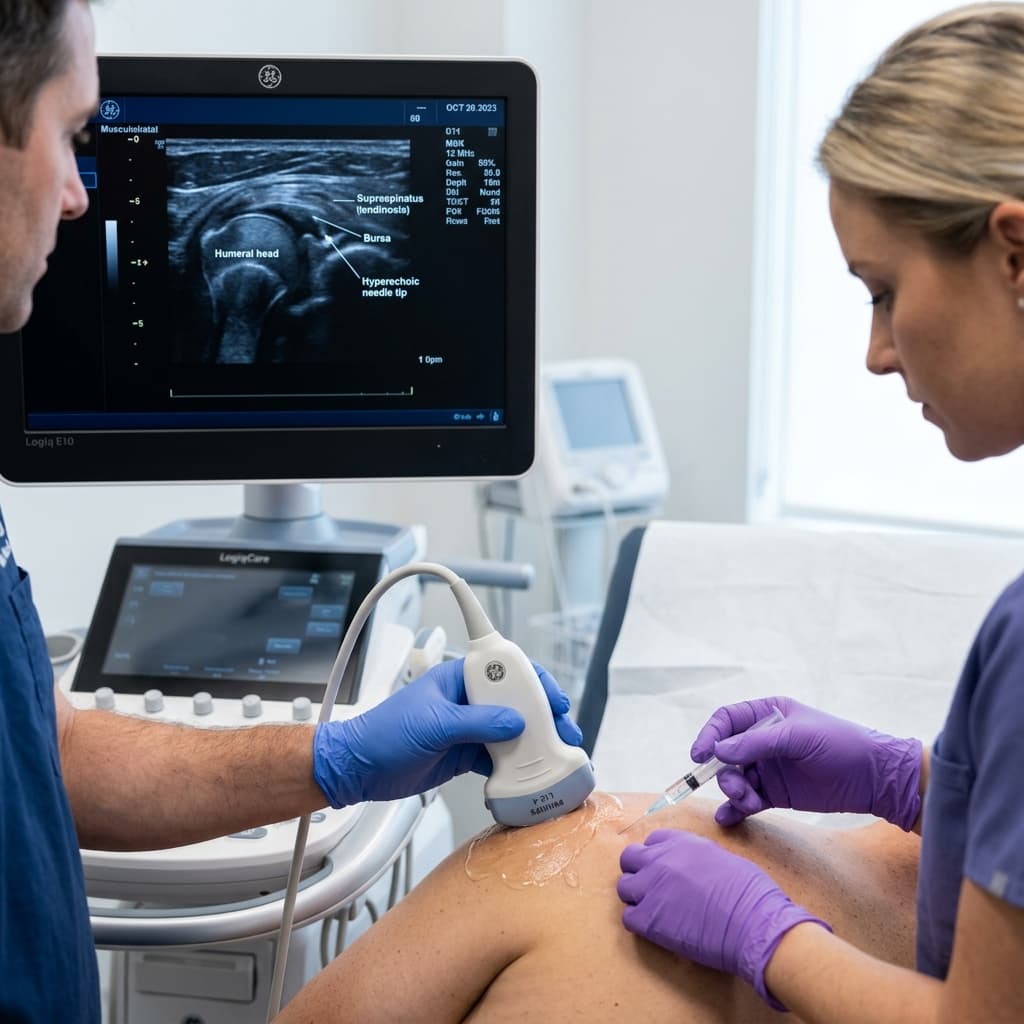
Physynex clinical treatment environment

Clinical Precision

Plans that adapt to your symptoms, goals, and workload.

From acute pain to full return-to-sport, your program is built around staged progression rather than passive, one-size-fits-all care.

Wider Service Coverage

More physiotherapy services available through assessment-led care.

Alongside the core pathways above, we also support a broader set of pain-management, rehabilitation, specialized, and prevention-focused physiotherapy needs. The initial assessment helps us identify which pathway or combination of services fits best.

Long-Term Resilience

Wellness and Prevention

Preventive care that helps reduce recurrence, improve movement habits, and support long-term physical resilience.

Posture supportRecurrence reductionMovement habits

Not Sure Where You Fit?

You do not need to choose the exact service before contacting us. If your problem overlaps pain management, post-operative recovery, sports rehab, or a more specialized pathway, the assessment helps us decide what should be prioritised first and how the plan should progress.

Service Pathways

Explore each core service in detail.

Each service has its own page so patients can understand exactly what it covers, who it is for, and how the pathway usually progresses.

Service 01

Manual Therapy

Hands-on treatment focused on reducing pain, improving joint mobility, and restoring movement quality.

Manual therapy is used to reduce pain, restore movement quality, and make exercise easier to tolerate in the early stages of recovery.

Often used for

  • Joint stiffness and mobility restrictions
  • Painful movement after overload or flare-ups
  • Soft tissue sensitivity and protective muscle guarding
  • Less pain during daily movement
  • Improved range of motion
  • Better tolerance for rehabilitation exercise
Service 02

Sports Rehabilitation

Return-to-sport plans with progressive loading, movement retraining, and performance-focused recovery.

Sports rehabilitation combines tissue healing, strength progression, and movement retraining so you can return to training and competition with confidence.

Often used for

  • Muscle strains and ligament sprains
  • Tendon pain from running, jumping, or lifting
  • Recurrent injuries caused by poor load management
  • Faster return to training with less guesswork
  • Higher confidence under sport-specific load
  • Reduced chance of recurrence
Service 03

Post-Operative Care

Structured rehabilitation protocols with close reassessment after orthopedic surgery.

Post-operative care is built around surgical timelines, symptom response, and regular reassessment so recovery stays safe and progressive.

Often used for

  • ACL and ligament reconstruction rehabilitation
  • Rotator cuff and shoulder surgery recovery
  • Joint replacement rehabilitation
  • Safer progression between recovery stages
  • Better restoration of mobility and strength
  • Clear milestones after surgery
Service 04

Ergonomic and Workplace Rehab

Practical plans to reduce work-related strain and prevent recurrence.

Workplace rehab addresses pain patterns created by desk work, repetitive tasks, long shifts, and poor movement tolerance during the workday.

Often used for

  • Neck and back pain linked to desk-based work
  • Repetitive strain affecting shoulder, elbow, wrist, or hand
  • Pain that worsens over long shifts or sedentary days
  • Fewer work-related flare-ups
  • Better tolerance for sitting, standing, and repetitive tasks
  • A sustainable plan for long-term symptom control

Choosing A Pathway

Which service usually fits best?

Patients often arrive with symptoms rather than a clear service label. These summaries show when each pathway tends to be the best fit and what it usually focuses on first.

Hands-On Treatment

Manual Therapy

Manual therapy is used to reduce pain, restore movement quality, and make exercise easier to tolerate in the early stages of recovery.

Best suited for

  • Joint stiffness and mobility restrictions
  • Painful movement after overload or flare-ups
  • Soft tissue sensitivity and protective muscle guarding

Usually includes

  • Joint mobilisation and symptom-guided movement
  • Soft tissue treatment for pain relief and movement confidence
  • Hands-on reassessment between treatment blocks

Return-To-Performance Care

Sports Rehabilitation

Sports rehabilitation combines tissue healing, strength progression, and movement retraining so you can return to training and competition with confidence.

Best suited for

  • Muscle strains and ligament sprains
  • Tendon pain from running, jumping, or lifting
  • Recurrent injuries caused by poor load management

Usually includes

  • Sport-specific assessment and risk profiling
  • Strength and power progressions matched to your phase
  • Running, jumping, cutting, or return-to-sport drills

Structured Surgical Rehab

Post-Operative Care

Post-operative care is built around surgical timelines, symptom response, and regular reassessment so recovery stays safe and progressive.

Best suited for

  • ACL and ligament reconstruction rehabilitation
  • Rotator cuff and shoulder surgery recovery
  • Joint replacement rehabilitation

Usually includes

  • Phase-based planning around surgical goals
  • Swelling, pain, and mobility management
  • Strength rebuilding with objective checkpoints

Workplace Recovery

Ergonomic and Workplace Rehab

Workplace rehab addresses pain patterns created by desk work, repetitive tasks, long shifts, and poor movement tolerance during the workday.

Best suited for

  • Neck and back pain linked to desk-based work
  • Repetitive strain affecting shoulder, elbow, wrist, or hand
  • Pain that worsens over long shifts or sedentary days

Usually includes

  • Assessment of work demands and aggravating patterns
  • Movement breaks and practical workload strategies
  • Exercise plans built around your real work routine

What We Commonly Treat

Service delivery grounded in real clinical presentation.

Patients rarely arrive with a generic label. These categories show the kind of pain, injury, and rehabilitation problems that most often sit behind our treatment plans.

Spine

  • Lower back pain
  • Sciatica and nerve-related leg pain
  • Neck pain
  • Thoracic spine pain

+2 more related issues

Shoulder

  • Rotator cuff injuries
  • Shoulder impingement
  • Frozen shoulder (adhesive capsulitis)
  • Shoulder instability

+2 more related issues

Elbow

  • Tennis elbow (lateral epicondylitis)
  • Golfer's elbow (medial epicondylitis)
  • Elbow instability
  • Nerve irritation around the elbow

+1 more related issues

Wrist and Hand

  • Carpal tunnel syndrome
  • De Quervain's tenosynovitis
  • Trigger finger
  • TFCC injuries

+5 more related issues

Hip and Groin

  • Hip osteoarthritis
  • Femoroacetabular impingement (FAI-type symptoms)
  • Gluteal tendinopathy
  • Groin strains

+2 more related issues

Knee

  • Patellofemoral pain syndrome
  • Meniscus injuries
  • ACL, MCL, LCL injuries
  • PCL injuries

+7 more related issues

Next Step

Need help choosing the right service?

Start with an assessment. We will identify the primary problem, explain which service pathway fits best, and give you a clear recovery plan from day one.

45-minute initial assessment
Clear diagnosis and treatment priorities
Objective rehab roadmap
Ongoing WhatsApp support for practical follow-up

Book or Ask a Question

We can guide you to the right service even if you are not sure which pathway fits yet.