
Compassionate Birth & Postpartum Care
Nurturing your body through the transformative journey of motherhood. From prenatal pelvic alignment and birth preparation to postpartum diastasis recti recovery, our evidence-based care is designed around your total comfort and clinical safety.
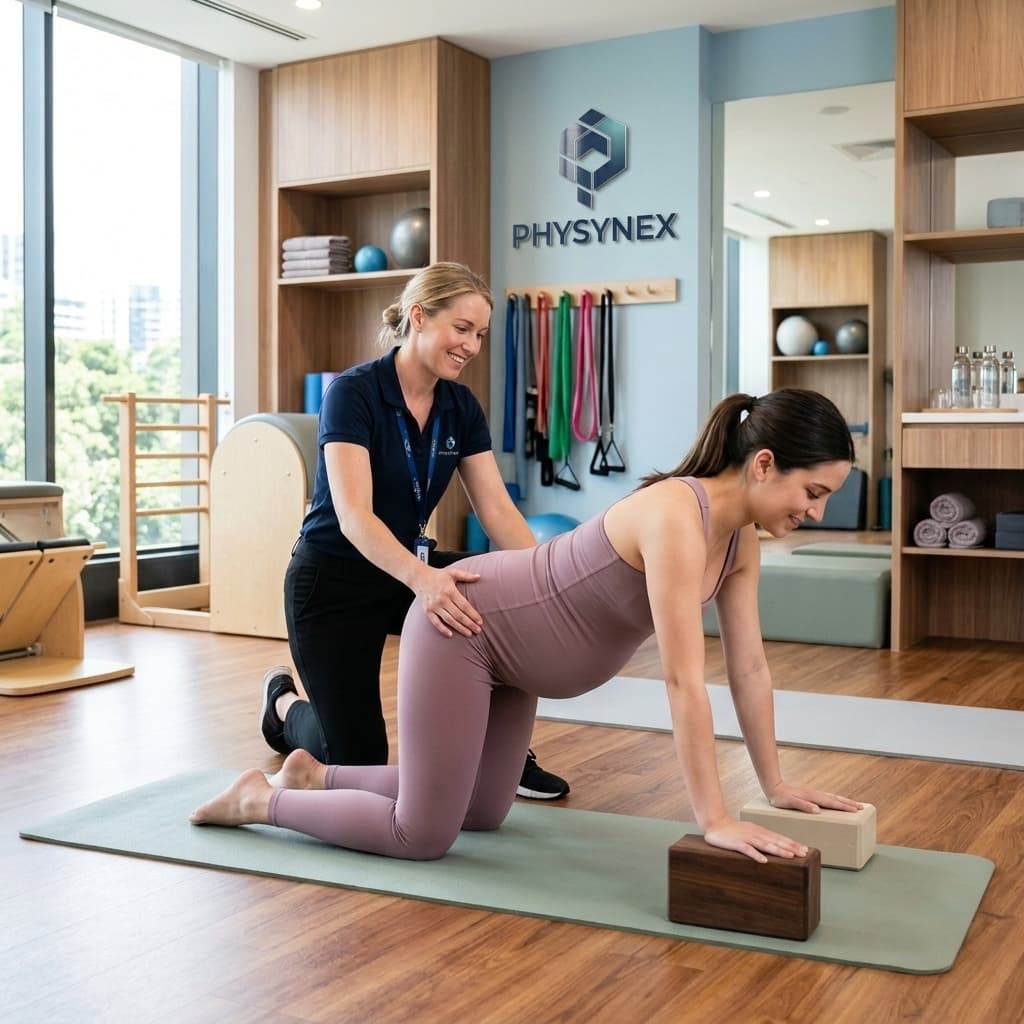
We understand. Your body is doing extraordinary work.
Between sleepless nights, feeding positions, and hormonal recovery, new mothers often put their own recovery last. We are here to listen, diagnose your physical pain drivers, and restore your strength in a warm, welcoming clinical setting.
Birth Preparation & labor readiness
Preparing for birth is like training for a marathon. Our specialist physical therapists help you build the physical flexibility, breath control, and muscle control needed for a smoother delivery.
Pelvic Floor Release & Lengthening
Learning how to fully relax and stretch your pelvic floor muscles is key to helping your baby pass through easily.
Pushing Positions & Rib breathing
We practice side-lying, quadruped, and supported squatting positions to open the pelvis and reduce push fatigue.
Perineal Stretching Education
Specialized instruction on perineal massage techniques to soften tissues and reduce the risk of birth tearing.
Why Birth Preparation Matters
“Most mothers are told to do Kegels, but birth actually requires the ability to release and yield the pelvic floor. Teaching relaxation reduces second-stage push time.”
What to Expect on Your First Visit
Your comfort and privacy are our top priorities. Here is how we build a safe, trauma-informed pathway for you.
Trimester & Postpartum Interactive Roadmap
Select a phase below to understand what is happening to your body, what exercises are recommended, and what precautions you must take.
Trimester 2: The Golden Strength Phase
Your energy returns and your bump grows, shifting your center of gravity forward. We build glute strength, stabilize your lower back, and prevent pelvic joint shear.
Recommended Movements
- Strengthen your glutes and hamstrings (squats, glute bridges with neutral pelvis)
- Perform scapular retractions (chest openers) to offset rounded nursing shoulders
- Use light resistance bands to maintain hip stability and posture
Precautions & Risks
- Avoid lying flat on your back (supine) for longer than 3-4 minutes to protect blood flow
- Stop asymmetrical exercises that cause pain in the pubic bone (like deep side lunges)
- Do not perform rapid, uncontrolled twisting movements
Common Pregnancy & Postpartum Pain Areas
Ligament laxity, postural changes, and repetitive baby lifting place intense load on specific joints. Choose an area below to see clinical solutions.
Pelvic Girdle Pain (PGP/SPD)
Why does this happen?
Sharp, shooting pain in the front of the pubic bone or back of the hips. Caused by uneven loading on relaxed pelvic joints during movement.Clinical Solutions & Prevention
- Keep your knees together when entering/exiting vehicles or rolling in bed.
- Avoid standing on one leg; sit down to put on pants, socks, and shoes.
- Wear a specialized pelvic support belt low around your hips during walks.
Core Recovery Comparison Matrix
Many traditional fitness movements cause severe pressure on healing tissues. See how we swap high-pressure loading with safe rehabilitation techniques.
Traditional Crunches & Sit-ups
Biomechanical Hazard:Forces the rectus abdominis muscles apart, putting high pressure on the healing midline tissue (linea alba). Can worsen diastasis recti and cause belly 'doming'.
Use transversus draw-ins, side-lying floor slides, and modified bird-dogs instead.
Transversus Abdominis Connection
Therapeutic Benefit:Safely restores abdominal wall tension, stabilizes the pelvis, and begins closing diastasis recti from the inside out.
Lie on your back with knees bent. Inhale, letting your belly expand. Exhale slowly through your mouth (like blowing out a candle) while gently drawing your lower abdomen toward your spine (imagine zipping up a tight pair of pants). Do not tilt your pelvis.
Full Prone Planks
Biomechanical Hazard:Gravity pulls the internal organs downward against a weakened abdominal wall, making it impossible to hold proper tension and stretching the midline separation.
Perform elevated incline wall planks or modified knee planks with core activation checks.
Supported Pelvic Tilt
Therapeutic Benefit:Eases lower back compression, mobilizes the pelvis, and gently engages the deep abdominals without intra-abdominal strain.
Sit upright on a birth ball or lie flat with knees bent. As you exhale, gently press your lower back down into the floor (or roll the ball slightly forward) by contracting your lower tummy. Inhale to release to neutral.
Double Leg Lifts
Biomechanical Hazard:Lifting both legs off the floor puts a huge leverage strain on the pelvis and lower back, forcing the lumbar spine to arch and splitting the abdominal midline.
Perform single-leg heel slides or bent-knee marches where one foot is always supporting.
Deep Diaphragmatic Breath & Release
Therapeutic Benefit:Essential for birth preparation (T3) and postpartum healing. Coordinates core pressure and relaxes tight pelvic floor muscles.
Sit comfortably with your hands on the sides of your rib cage. Inhale deeply, feeling your ribs expand sideways and your pelvic floor soften and release downward. Exhale gently and let the breath float out.
Diastasis Recti Self-Screening
Our step-by-step visual assistant helps you safely evaluate postpartum abdominal separation from the comfort of your home.
*Self-screening is informational. Official assessment is advised 6+ weeks postpartum.
Position Your Spine
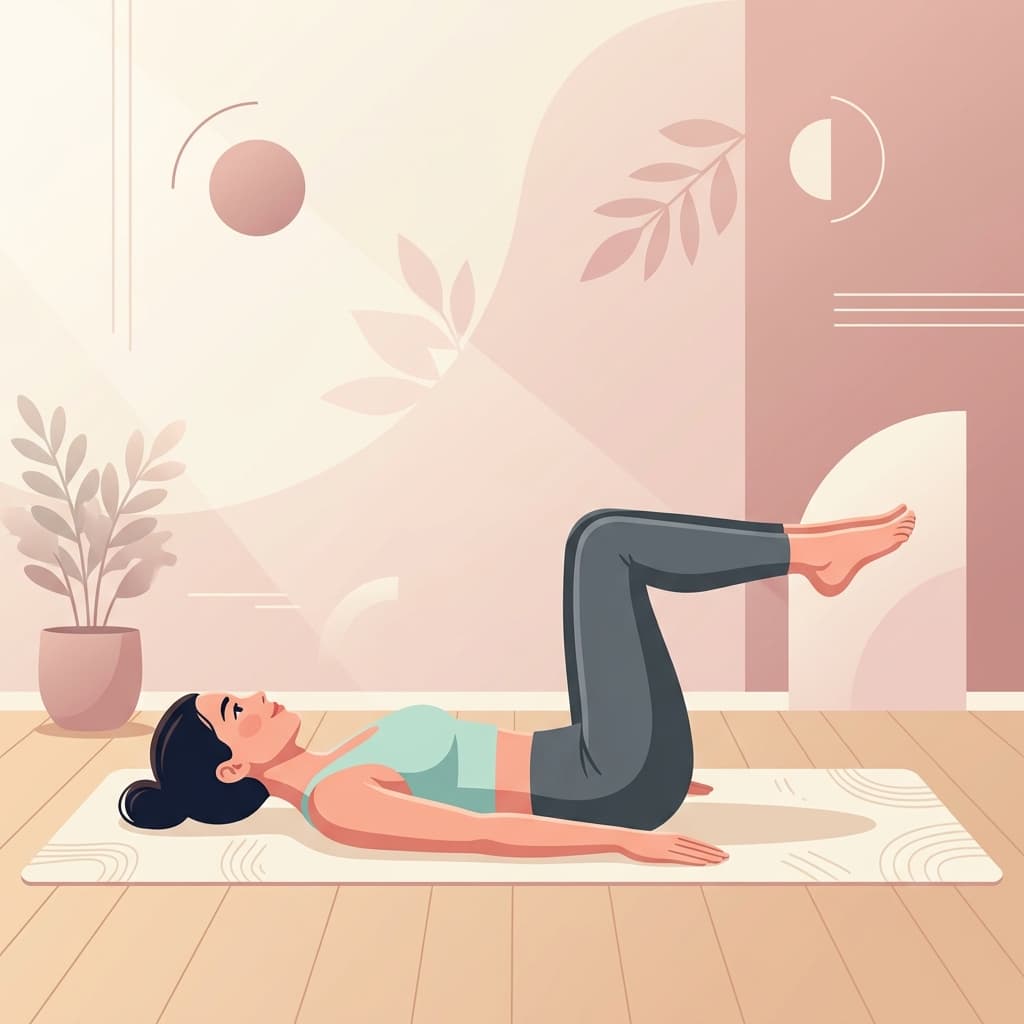
Lie flat on your back on a stable floor surface. Bend your knees at a 90-degree angle with your feet flat, hip-width apart. Rest your shoulders and let your core breathe naturally.
A Comfortable Journey to Motherhood & Active Life
Schedule your comprehensive prenatal or postpartum clinical assessment with our senior physiotherapist. Let us build your custom restoration pathway.
Certified Maternity Care Standards • Obstetric-Coordinated