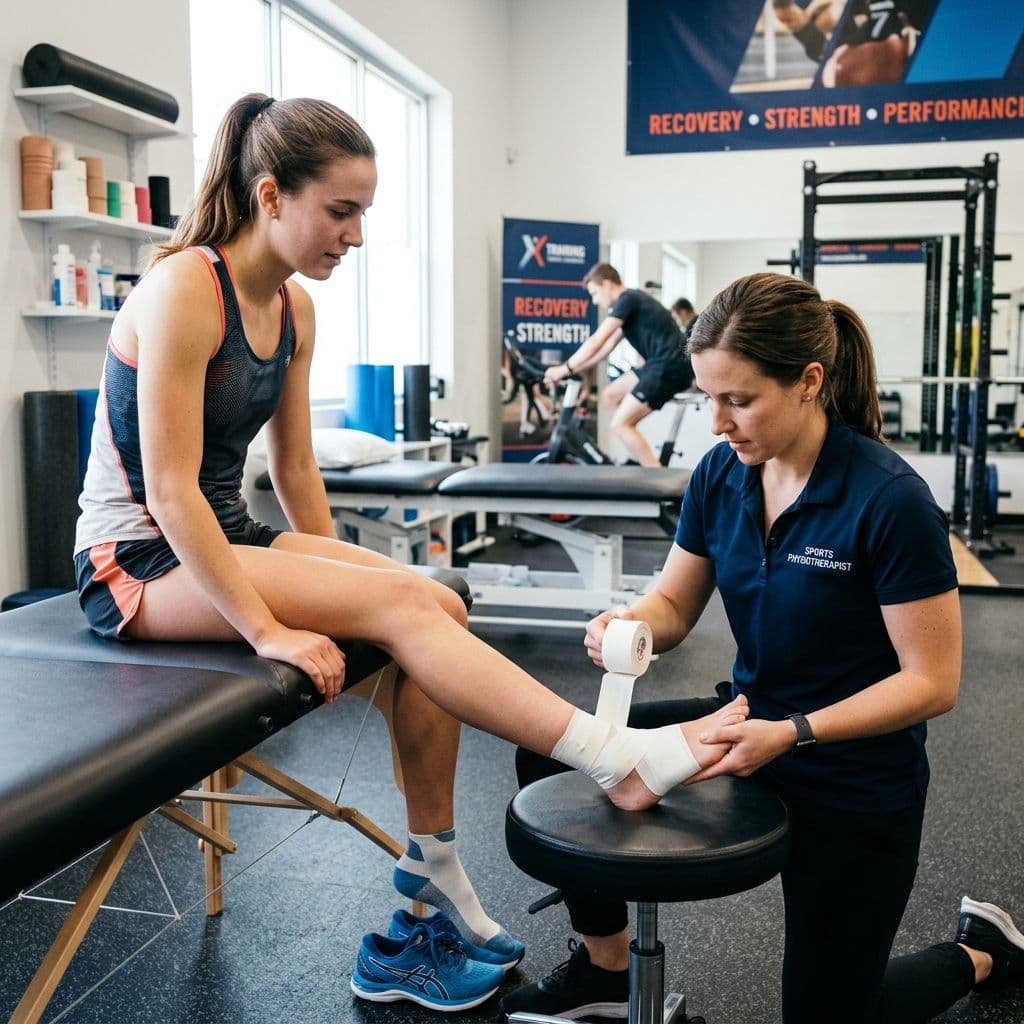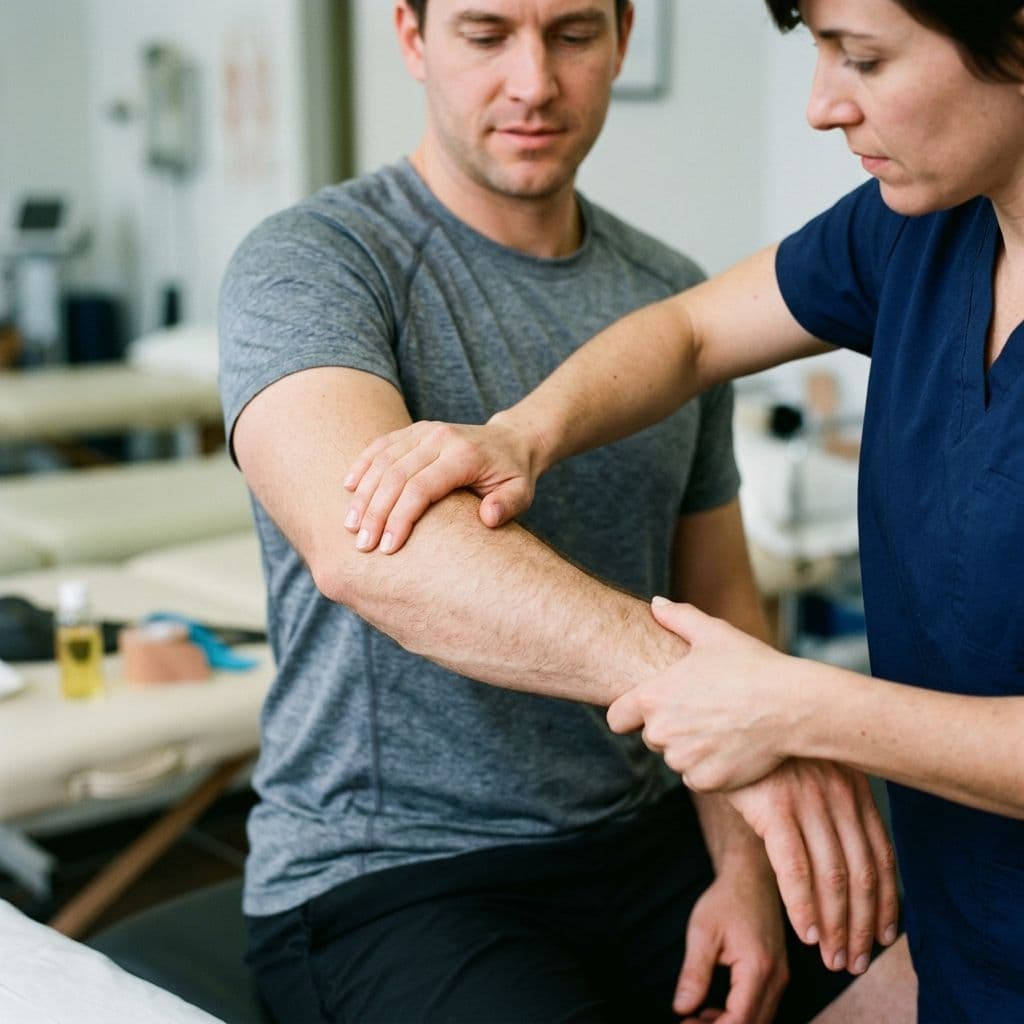

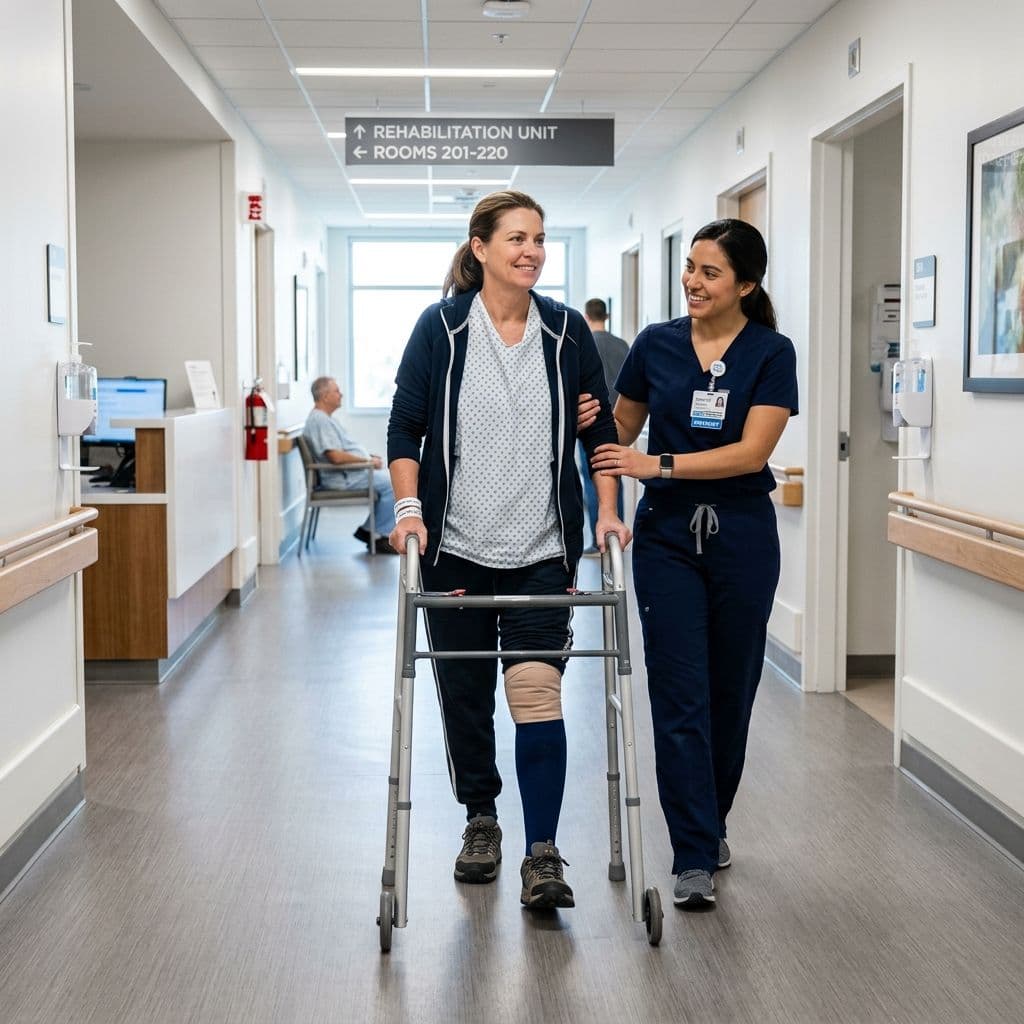
Surgery changes a structure; rehabilitation helps the person use it again. After an orthopaedic procedure, pain, swelling, weakness, stiffness, reduced balance, and uncertainty can make even simple tasks difficult. A successful operation does not automatically restore walking, lifting, reaching, or sport without a staged return to load.
The rehabilitation plan depends on the procedure. A repaired tendon must be protected differently from a joint replacement. Weight-bearing restrictions after fracture fixation differ from those after some arthroscopic procedures. The surgeon’s instructions, operative findings, wound status, and associated medical conditions guide the starting point.
Postoperative physiotherapy should never be a generic list of exercises. It should translate medical precautions into daily decisions, measure progress, identify complications early, and rebuild the capacity required for the patient’s goals.
Before the first physiotherapy session
Bring the discharge summary, operative note when available, imaging reports, medication list, and the surgeon’s protocol. The therapist needs to know exactly what was repaired or replaced, whether movement or weight bearing is restricted, and when follow-up is planned.
The first assessment also considers the home environment and support. Stairs, bathroom access, footwear, work arrangements, transport, and caregiver availability can affect safety. Rehabilitation begins with the real demands waiting outside the clinic.
- Confirm the procedure and date
- Clarify brace, sling, movement, and weight-bearing instructions
- Review wound-care and follow-up advice
- List medications and relevant medical conditions
- Identify immediate home, work, and mobility challenges
The early phase: protect, move safely, and control swelling
Early goals often include safe transfers, walking with the prescribed support, gentle permitted movement, swelling management, breathing and circulation exercises, and activation of muscles inhibited by pain or swelling. The therapist should teach the patient what is expected and what is concerning.
Pain is not the only guide. Some repairs can be overloaded before they feel severely painful, while a joint replacement may need regular movement despite discomfort. Written restrictions and clinical reasoning take priority over internet timelines.
- Use crutches, walker, brace, or sling as instructed
- Practise bed, chair, toilet, and stair transfers safely
- Perform only the permitted range and muscle activation exercises
- Use elevation, compression, or cold when medically appropriate
- Monitor wound, calf, breathing, and systemic symptoms
Restore movement without violating tissue precautions
Stiffness can limit function, but the solution is not always aggressive stretching. After a tendon repair, movement may be deliberately restricted. After joint replacement, regular range work may be encouraged. The clinician needs to know the biological healing constraints before selecting a dose.
Progress should be measured using relevant ranges and tasks. For a knee, extension, flexion, walking, and sit-to-stand may be priorities. For a shoulder, assisted range and sling weaning may be staged. For the spine, walking and movement tolerance may matter more than chasing a single flexibility target.
- Use procedure-specific range goals
- Avoid forceful treatment across a protected repair
- Practise movement little and often when appropriate
- Measure function as well as joint angles
- Escalate unexpected stiffness or loss of movement
Rebuild strength, balance, and task capacity
As healing allows, rehabilitation becomes progressively more demanding. Strength exercises should move from activation to meaningful resistance. Balance, gait, carrying, reaching, stairs, and endurance are added according to the operated area and goals.
This phase often exposes a gap between being medically stable and being ready for normal life. A patient may walk indoors yet struggle with community distances, uneven ground, public transport, or a full workday. Rehabilitation should test those demands before discharge.
- Progress resistance using measurable loads
- Retrain walking quality and distance
- Add balance and coordination when lower-limb function is affected
- Practise home, work, and self-care tasks
- Use return-to-work or sport stages rather than one final jump
How postoperative milestones should be used
Milestones help the team communicate, but they are not deadlines that justify unsafe progression. Useful markers include wound healing, swelling response, permitted range, walking aid use, strength, sleep, and task independence.
When progress is slower than expected, the response should be assessment, not blame. Pain control, infection, stiffness, fear, medical health, exercise dose, and adherence all deserve review.
Common postoperative rehabilitation mistakes
Doing too little can increase weakness and stiffness; doing too much can create repeated swelling or threaten healing. The correct dose changes through recovery. Patients should understand which symptoms are expected, which mean the program needs adjustment, and which require urgent contact.
Another mistake is ending rehabilitation when basic movement returns. For someone returning to physical work or sport, higher-level strength and endurance may still be substantially reduced.
- Following a generic online protocol instead of the surgical plan
- Progressing because pain is low while ignoring tissue timelines
- Avoiding movement beyond the period it is protected
- Ignoring repeated swelling or loss of range
- Returning to demanding work without graded exposure
Make the home program clear enough to follow safely
A postoperative home program should state what to do, how often, what range or weight is permitted, and what response is acceptable. Patients should not leave with a long list of exercises that compete with wound care, medication, sleep, and basic mobility. A small number of priorities performed correctly is safer than an impressive but confusing list.
The plan should also explain what changes on difficult days. If swelling rises after a necessary hospital visit, the next session may need less volume while permitted movement continues. If pain control is inadequate, the patient should know which medical contact to use rather than independently exceeding medication instructions or abandoning movement.
Communication between surgeon, physiotherapist, patient, and family prevents contradictory advice. Bring updated restrictions after each review. Family members can support transfers and reminders, but they should not force a joint or alter a brace without instruction. Everyone should understand the same milestones and warning signs.
- Keep the early program short and procedure-specific
- Write permitted movement and loading limits clearly
- Include a reduced-dose option for difficult days
- Update the plan after surgical follow-up
- Make emergency and routine contact pathways explicit
Red flags: when symptoms need urgent medical review
Follow the discharge instructions for emergency contact. Postoperative complications can develop quickly and should not be managed by simply changing exercises.
- Increasing wound redness, discharge, opening, fever, or chills
- New calf pain or swelling, chest pain, faintness, or shortness of breath
- Uncontrolled pain or swelling that is rapidly worsening
- New loss of sensation, marked weakness, or a cold or discoloured limb
- A fall, sudden pop, deformity, or major loss of function
Questions patients commonly ask
These answers are general guidance. The right decision depends on your symptoms, medical history, examination findings, and the activities you need to return to.
When should physiotherapy begin after surgery?
Timing depends on the operation and surgeon’s plan. Some rehabilitation begins on the same day; other procedures protect movement or loading for longer. Confirm instructions rather than assuming an early or delayed start is always better.
How much postoperative pain is normal?
Some pain and swelling are expected, but the pattern should be monitored. Rapidly worsening pain, systemic symptoms, wound changes, or major loss of function require medical contact. Exercise dose can be adjusted for a routine flare.
Can I stop exercises once I can walk or use the arm?
Basic function may return before strength, endurance, balance, and task tolerance. The endpoint should match your goals and the demands of work, home, or sport, not only the ability to perform one simple activity.
Do I need physiotherapy if surgery went well?
The need and duration vary, but many procedures benefit from guided rehabilitation. A good surgical result and a good functional recovery are related but not identical outcomes.
The clinic takeaway after orthopaedic surgery
Postoperative rehabilitation connects protection with performance. Early care respects healing and prevents avoidable complications; later care restores movement, strength, confidence, and the tasks that justify the operation in the first place.
At Physynex, the surgical documents anchor the plan. Bring them to the first appointment, along with your current restrictions and goals, so every progression is consistent with the procedure rather than based on a generic recovery calendar.
Relevant Physynex care pathways
Use these pages to understand the related condition or service. An assessment is still the right starting point when the diagnosis is uncertain.