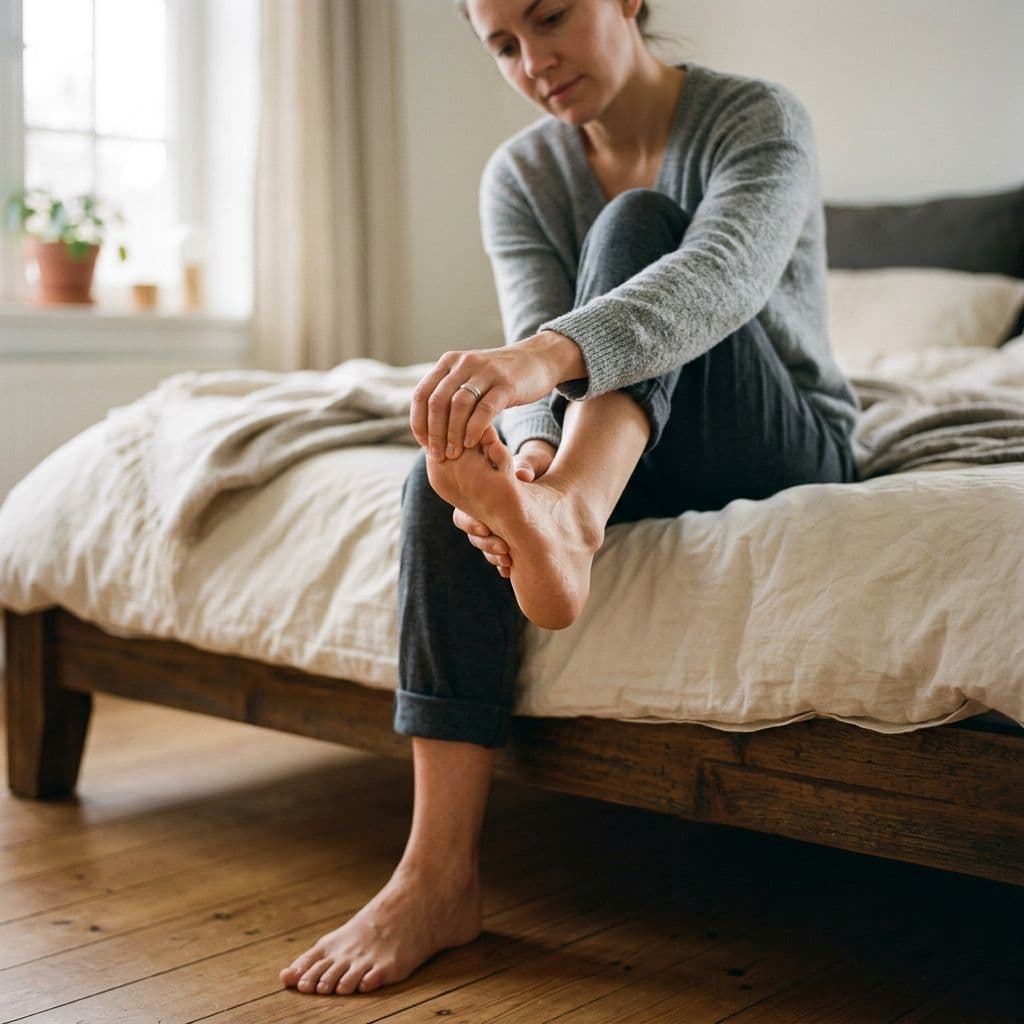

Varicose veins are often dismissed as a cosmetic concern until the legs begin to feel heavy, itchy, swollen, restless, or painful. Once symptoms appear, the issue is no longer only about how the veins look. It is about how the legs tolerate standing, sitting, walking, work, travel, and heat.
Physiotherapy does not remove varicose veins. It also does not replace vascular assessment when symptoms are significant. But movement, calf strength, walking tolerance, swelling management, and daily habit changes can reduce discomfort and help people understand when they need medical review.
What varicose veins can feel like
Visible veins may be the first sign, but symptoms can appear before the veins look severe. People often describe:
- Heavy legs at the end of the day
- Aching after long standing
- Swelling around the ankles
- Itching around the lower leg or vein area
Also note: Restless legs at night; Tightness or fatigue in the calves; Symptoms that worsen in hot weather; Relief when legs are elevated.
The pattern matters. Symptoms that build with long static postures and ease with walking or elevation often suggest that circulation and calf pump activity are part of the story.
Why movement helps
Veins return blood from the legs toward the heart. The calf muscles help this process by acting like a pump. When you walk, the calf contracts and relaxes, helping move blood upward. When you stand still or sit for long periods, that pump is less active, and the legs can feel congested.
This is why a person may feel worse after standing in one place than after walking slowly for the same amount of time. The body is built for movement, not long static holds.
A self-check for symptom pattern
Ask:
- Do symptoms worsen after standing still?
- Do your ankles swell by evening?
- Do your legs feel better after elevation?
- Do heat and long travel aggravate symptoms?
Also note: Is one leg much worse than the other?; Are there skin color changes near the ankle?; Do you have a sore or wound that is slow to heal?.
These questions help separate mild visible veins from symptomatic venous problems that may need medical assessment.
What you can try first
Walking breaks: Use short walking breaks during long standing or desk work. Even two to three minutes can help activate the calf pump.
Calf raises: Supported heel raises are simple and useful. Stand near a wall or counter, rise onto the toes, lower slowly, and stop if pain or cramping is unusual.
Ankle pumps: When sitting for long periods, move the ankles up and down regularly. This is especially useful during travel.
Leg elevation: Elevating the legs for short periods may reduce heaviness and swelling for some people.
Compression guidance: Compression can help some symptomatic people, but it should be chosen appropriately, especially if there are circulation concerns, diabetes, wounds, or significant swelling. Medical guidance is sensible.
Workday plan for heavy legs
Try this during a desk or standing-heavy day:
- Start the day with two minutes of ankle pumps.
- Every hour, walk for two to three minutes.
- Add 10 to 15 supported calf raises twice daily.
- Avoid standing completely still when possible.
- Elevate the legs after work if swelling builds.
- Track whether symptoms improve, worsen, or stay the same.
This is not a cure. It is a way to test how much your symptoms respond to movement and unloading.
How to tell whether symptoms are progressing
Track the pattern rather than only the appearance of the veins. Visible veins may not change much with conservative care, but symptoms can. You are looking for better tolerance: less heaviness, less evening swelling, fewer cramps, or quicker recovery after standing.
Useful markers include:
- Ankle swelling at the same time each evening
- Heaviness score after work from 0 to 10
- Walking tolerance before symptoms build
- Whether elevation reduces symptoms
Also note: Whether one leg behaves differently from the other; Skin changes near the ankle.
If the pattern is improving, movement habits may be helping. If symptoms are worsening despite good habits, or if skin changes appear, medical review becomes more important.
Where physiotherapy fits with vein care
Vein-related symptoms often overlap with other problems. A person with varicose veins may also have knee arthritis, weak calves, poor ankle mobility, back-related leg symptoms, or reduced fitness from avoiding walking. Physiotherapy helps sort out what is movement-related and what needs vascular input.
For example, if the legs feel heavy after standing but improve with walking breaks, calf pump work may help. If pain is sharp, one-sided, and associated with swelling or heat, that is not a routine physio problem. If walking is limited because the knees hurt, strengthening the legs may indirectly support circulation by making walking possible again.
Practical workplace adjustments
If your job involves long standing or sitting, aim for small changes:
- Shift weight often instead of locking the knees.
- Add calf raises during quiet moments.
- Walk during phone calls when possible.
- Avoid long periods with legs crossed tightly.
Also note: Use supportive footwear.; Plan short movement breaks before symptoms peak..
These are simple, but they work because they respect how the calf pump functions.
How to pair movement with medical care
If symptoms are mild, movement habits may be enough to reduce heaviness. If symptoms include skin change, swelling, pain, or ulcers, movement should sit alongside medical review. A vascular clinician may consider ultrasound assessment, compression guidance, or procedures when appropriate.
Physiotherapy remains useful because people often reduce activity when the legs feel heavy. That loss of walking can weaken the calves and make symptoms feel worse. The plan should keep the person moving safely while respecting the vascular side of the problem.
What progress should feel like
Good progress may look like:
- Less heaviness at the same time of day
- Less swelling after work
- Better walking tolerance
- Faster recovery after elevation
Also note: Fewer cramps after long sitting; More confidence to stay active.
If visible veins remain but symptoms improve, that can still be meaningful progress. If symptoms worsen, the plan should not be forced. It should be reviewed.
Red flags
Varicose veins should be reviewed if they are painful, swollen, itchy, causing skin changes, or associated with ulcers. Do not wait if symptoms are changing quickly.
Seek urgent review for:
- Sudden one-sided leg swelling
- A red, hot, tender area along a vein
- Bleeding from a vein
- A non-healing wound near the ankle
- New skin darkening, eczema-like change, or hardening around the lower leg
- Chest pain or shortness of breath
What physiotherapy can and cannot do
Physiotherapy can help with walking tolerance, calf function, swelling habits, leg strength, and return to activity. It can also help if leg heaviness has caused deconditioning or if joint pain is limiting walking.
Physiotherapy cannot close or remove problematic veins. If symptoms suggest venous disease that needs vascular treatment, referral is the right step.
Common questions about varicose vein symptoms
Are varicose veins dangerous?
Many are not dangerous, but symptomatic veins should not be ignored. Pain, swelling, skin changes, and ulcers need medical attention.
Is exercise safe?
Walking and calf activation are usually helpful. The right dose depends on symptoms, other health conditions, and swelling behavior.
Should I avoid standing?
You may not be able to avoid it, but you can break it up. Small movement breaks are often more useful than trying to stand perfectly still.
Can varicose veins cause leg pain?
Yes. They can be associated with heaviness, aching, swelling, itching, and discomfort, especially after prolonged standing.
When leg symptoms need assessment
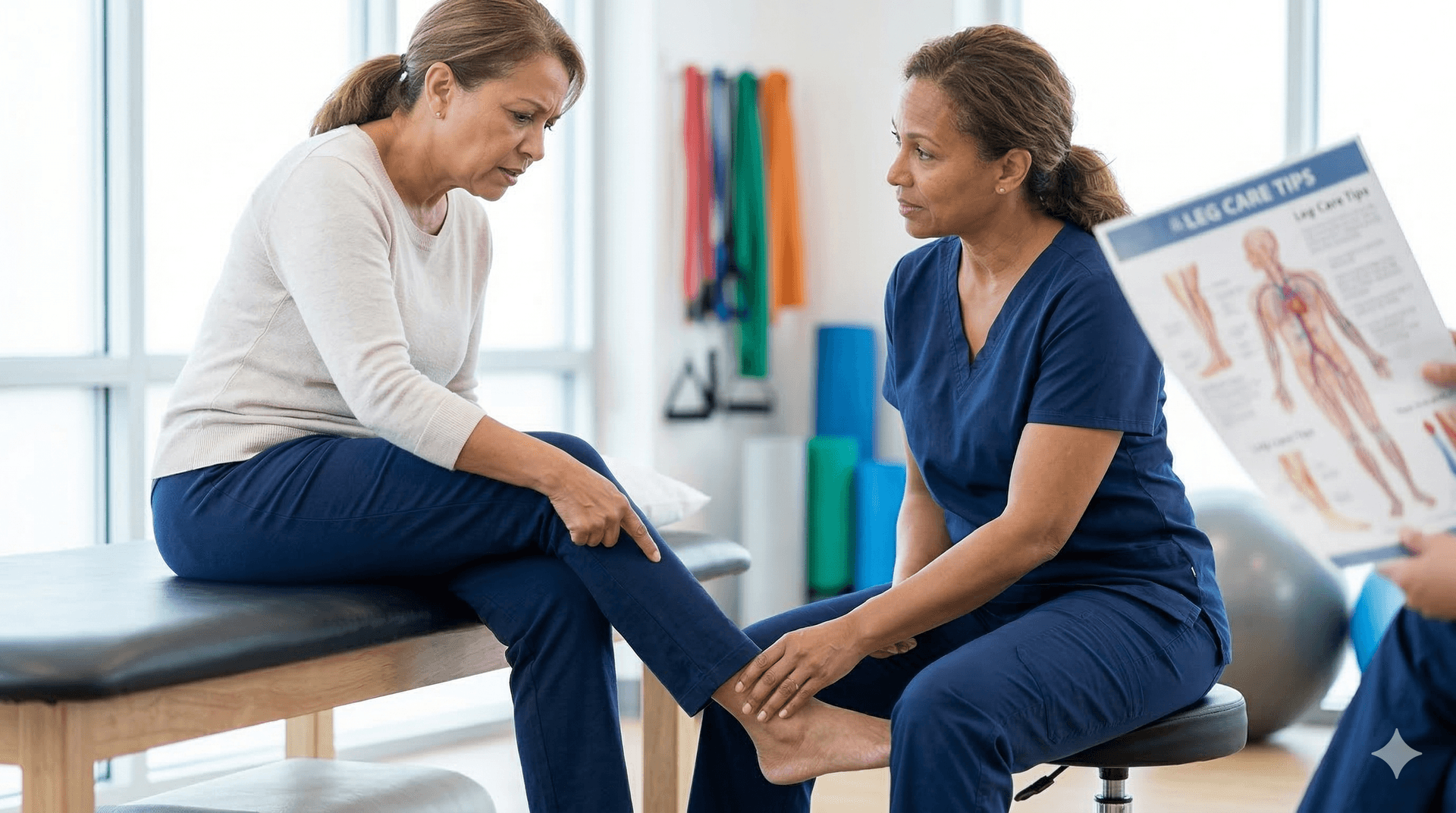
Book an assessment if leg heaviness is limiting walking, work, exercise, or daily activity. Physiotherapy is especially useful when symptoms have made you less active, because reduced walking can weaken the calf pump and make the legs feel even heavier. It is also useful when knee, hip, ankle, or back pain is preventing the walking that would otherwise help.
If symptoms include skin changes, ulcers, bleeding, heat, redness, or one-sided swelling, vascular medical review should be prioritised. The best plan may include both movement support and medical assessment. The aim is to keep you active while making sure the circulation side of the problem is not being ignored.
Bring a simple symptom log if you can. Note when heaviness begins, what your workday involved, whether swelling changed overnight, and what helped. This makes the appointment more useful because vein-related symptoms often fluctuate across the day.
Explore leg and walking support
Clinic takeaway for heavy legs
If your legs are becoming heavy, swollen, itchy, or uncomfortable by the end of the day, do not dismiss it as only cosmetic. At Physynex, we help you identify the movement part of the problem, improve calf pump function, and recognise when vascular review is needed.