
Diabetic neuropathy is often described as a nerve problem, but in daily life it behaves like a movement problem. When the nerves in the feet and legs stop sending clear information, the brain receives a less accurate map of the ground. That can change balance, walking confidence, stair control, and how safely you move when the lights are low or the surface is uneven.
The tricky part is that neuropathy does not always begin with dramatic pain. Many people first notice a strange numbness, a burning feeling at night, a sense of walking on cotton, or a small loss of confidence during turns. Others only realise something has changed after a near-fall, a blister they did not feel, or a sudden fear of walking outdoors. These are not small details. They are early signals that sensation, strength, and balance need attention.
Physiotherapy does not replace diabetes care, foot care, medication review, or medical monitoring. It supports the movement side of the problem. The goal is to protect walking, keep the lower limbs strong, reduce fall risk, and help the person stay active without ignoring the safety issues that neuropathy can create.
Why neuropathy changes the way you move
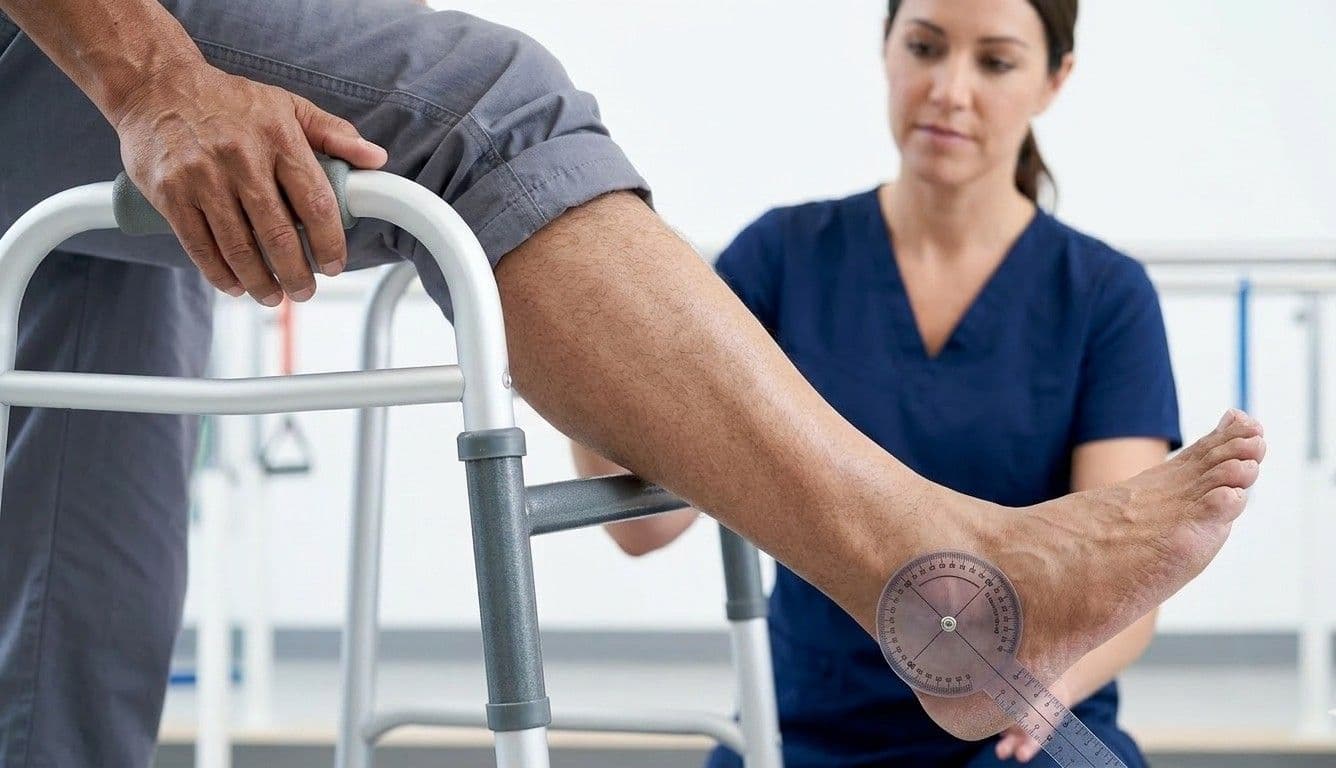
Healthy nerves send information about pressure, vibration, temperature, pain, and joint position. When these messages become dull or distorted, the body starts compensating. Some people shorten their steps. Some walk with their feet wider apart. Some look down constantly. Some begin to hold railings, walls, or furniture without realising how often they are doing it.
Common movement changes include:
- Taking smaller steps because the floor feels less predictable
- Feeling unsteady when turning quickly or walking in dim light
- Avoiding sandals, barefoot walking, stairs, or uneven ground
- Feeling more tired in the calves, feet, hips, or lower back after walking
Also note: Losing confidence during crowded places, slopes, or wet surfaces; Developing calluses, pressure spots, or foot irritation from changed loading.
These changes can gradually reduce activity. Less activity then reduces strength and balance, which makes movement feel even less safe. That loop is exactly what a good rehab plan tries to interrupt.
A quick self-check
Use these questions as a practical screen. They do not diagnose neuropathy, but they help you decide whether your movement pattern needs assessment.
- Do your feet feel numb, burning, prickly, or unusually heavy?
- Do you feel less steady in the dark or on uneven ground?
- Do you avoid stairs, slopes, or outdoor walking because of confidence?
- Do you check your feet less often than you should?
Also note: Have you had a small cut, shoe bite, or blister that you noticed late?; Do you rely more on furniture or railings than before?; Do you feel your walking has become slower or less natural?.
If several answers are yes, the issue is not only pain. It may be a combination of sensation loss, balance change, strength loss, and foot protection risk.
What physiotherapy can actually improve
Physiotherapy cannot reverse every nerve change, but it can improve how the body functions around the problem. The plan should be practical, measurable, and built around safety.
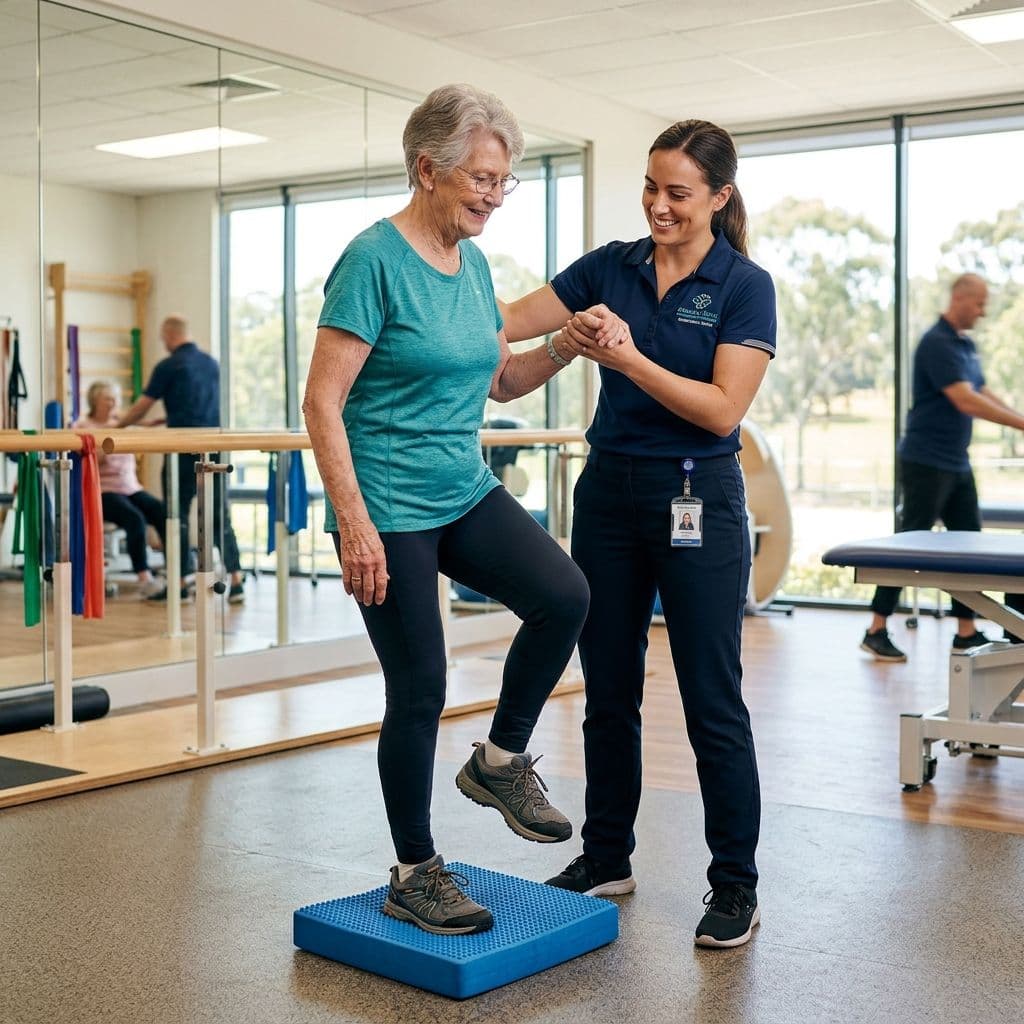
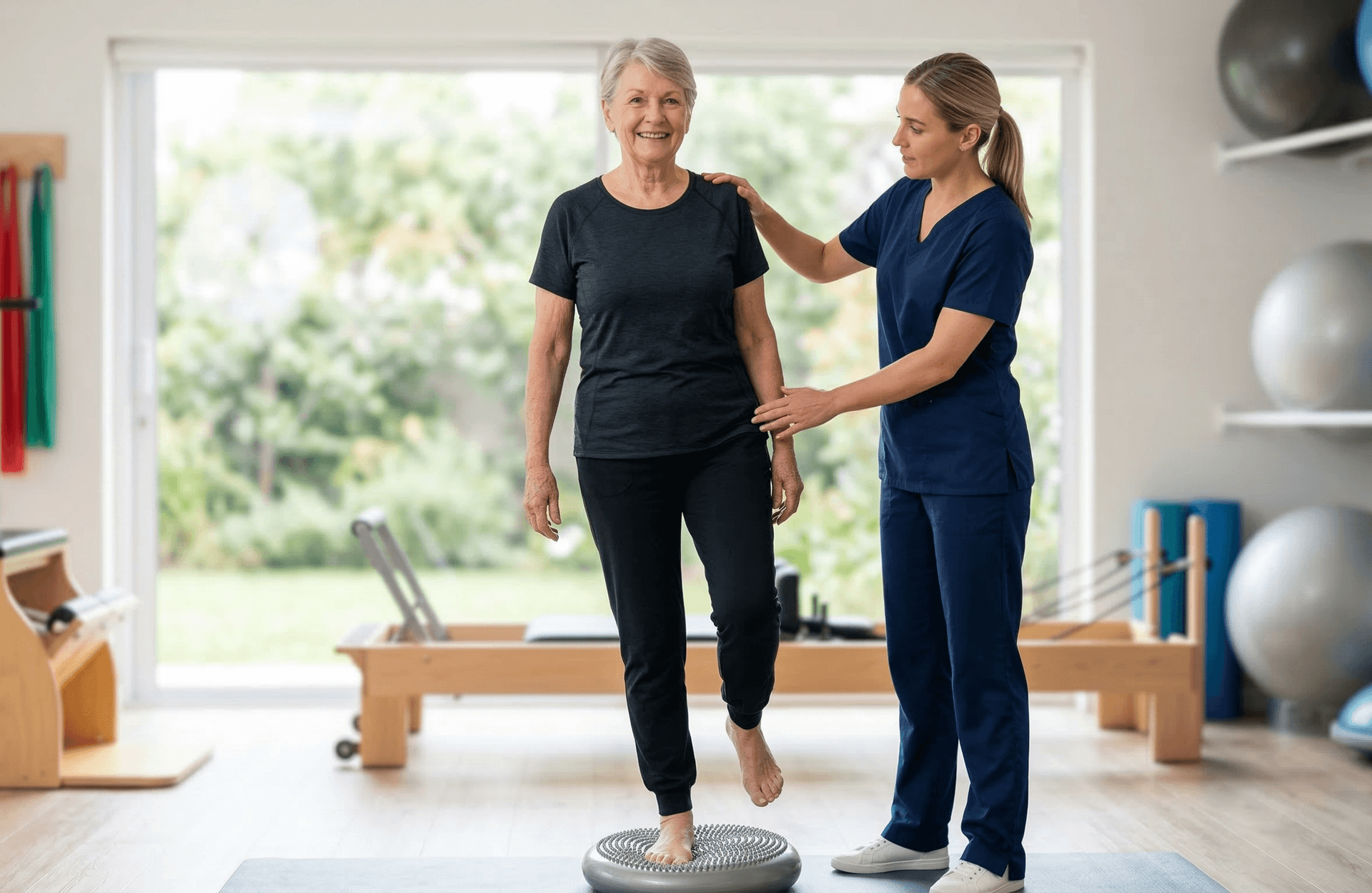
Balance retraining: Balance training teaches the body to recover from small wobbles. This can include supported standing, weight shifts, heel-to-toe work, stepping drills, turning practice, and safe single-leg progressions. The aim is not circus-level balance. The aim is everyday steadiness: bathroom turns, stair landings, small steps around furniture, and outdoor walking.
Strength for the foot, ankle, hip, and trunk: When sensation is reduced, strength becomes even more important. The calf muscles help push the body forward and support balance. The hip muscles help control side-to-side sway. The trunk helps keep posture steady when the ground feels uncertain. Exercises may include sit-to-stands, calf raises, step-ups, hip abduction work, bridge variations, and supported balance positions.
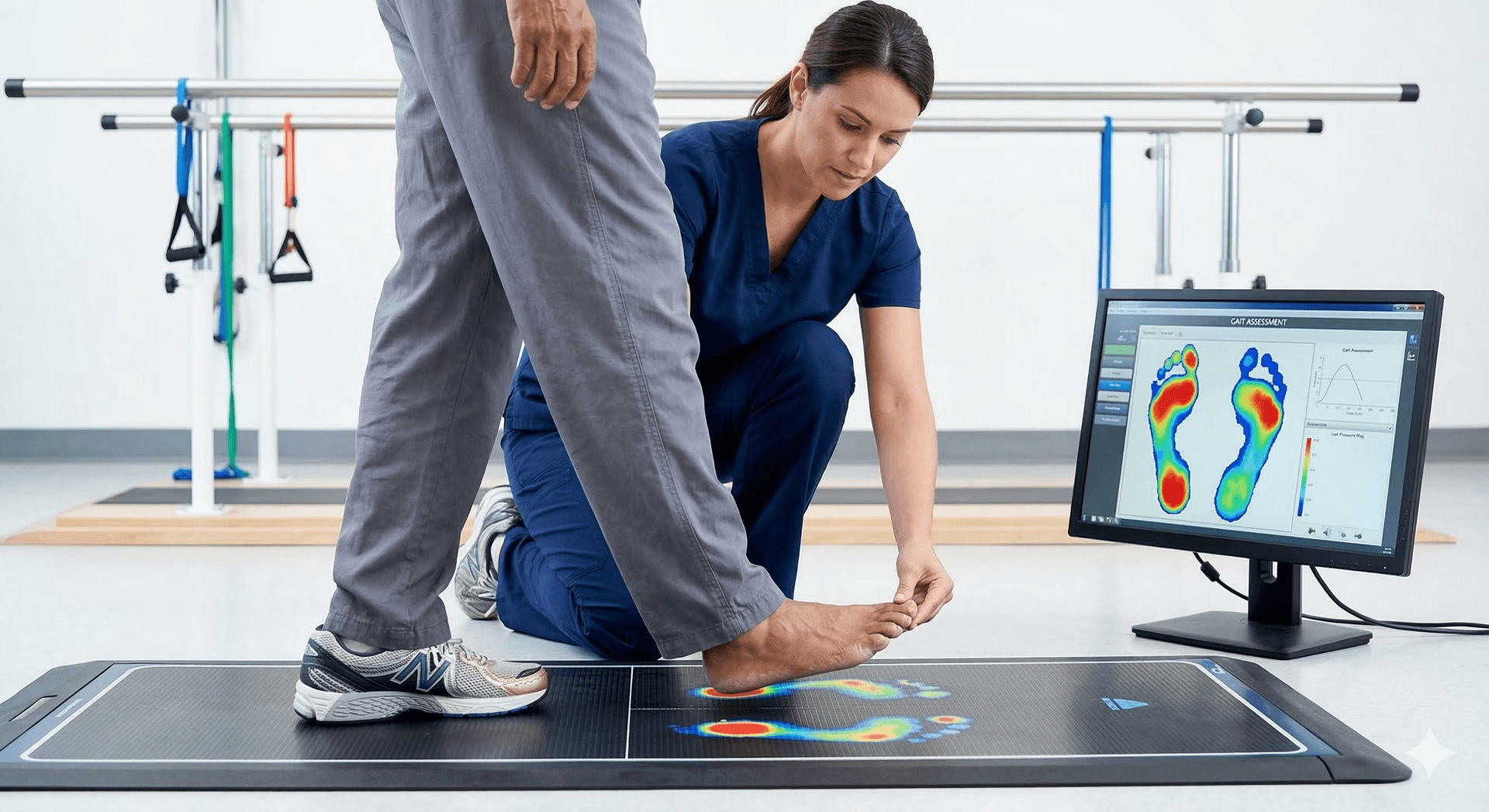
Gait and walking practice: Walking needs to be observed, not guessed. We look at step length, foot clearance, cadence, turning, confidence, and fatigue. A person may walk well for two minutes and then lose control after ten minutes. That matters. The plan should train the actual walking demand, not just isolated exercises on a mat.
Foot safety education: Foot care is not a side note. With reduced sensation, small skin problems can become serious. A movement plan should include daily foot checks, proper footwear, avoiding barefoot walking on unsafe surfaces, and knowing when a wound needs medical review.
What to try first at home
These are general starting points, not a substitute for assessment.
- Check both feet daily, including between toes and under the heel.
- Wear supportive footwear indoors if barefoot walking feels unsafe.
- Add short walking intervals instead of one long walk that exhausts you.
- Practise sit-to-stand from a firm chair, using hands if needed.
Also note: Do supported calf raises near a wall or counter.; Use brighter lighting for night-time bathroom trips.; Keep walking areas clear of loose mats, wires, and clutter..
The goal is to build consistency. Five safe minutes repeated often is usually better than one ambitious session that causes fatigue, irritation, or fear.
A 7-day movement experiment
Try tracking three simple numbers for one week:
- How confident you feel walking indoors from 0 to 10
- How steady you feel outdoors from 0 to 10
- How tired your legs feel after walking from 0 to 10
Then note what changes those scores. Was it footwear? Lighting? Distance? Sleep? Blood sugar fluctuation? Heat? This turns a vague problem into a visible pattern, and visible patterns are easier to treat.
How to know the plan is working
Progress with neuropathy is not always measured by less tingling. Sometimes the biggest improvement is safer movement. A useful plan should make daily walking more predictable, reduce near-falls, improve confidence on stairs, and make foot care more consistent. You may still have altered sensation, but you should feel more capable of managing it.
Good signs include:
- You recover from small wobbles faster.
- You can walk the same distance with less fear.
- You notice foot irritation earlier because checks are routine.
- You need less furniture support indoors.
- You can manage turns, stairs, and uneven ground with clearer strategy.
If symptoms are not changing, the plan may need a different dose. If balance is worsening, the plan needs reassessment. The point is not to keep repeating the same exercises forever. The point is to match training to the movement problem you actually have.
Red flags
Get medical review promptly if you notice:
- A foot wound, ulcer, blister, or redness that is not improving
- Sudden swelling, discoloration, or a hot painful foot
- Repeated falls or frequent near-falls
- New weakness that is rapidly worsening
- Severe calf pain with swelling
- New bowel or bladder changes
These signs need medical attention, not just exercise modification.
Common questions about diabetic neuropathy
Can exercise help diabetic neuropathy?
Exercise can help balance, strength, walking confidence, circulation, and general metabolic health. It may not remove all nerve symptoms, but it can improve function and safety.
Should I walk if my feet are numb?
Often yes, but with the right precautions. Good footwear, foot checks, safe surfaces, and graded distance matter. If there is an active wound or unsafe balance, get assessed first.
Is burning pain at night normal?
Burning or tingling can happen with neuropathy, but it should still be discussed with your medical team. Medication review, blood sugar control, sleep, and movement planning may all matter.
Can physiotherapy prevent falls?
It can reduce risk by improving strength, balance, stepping control, and confidence. Fall risk is usually multi-factorial, so the best plan also looks at vision, footwear, medications, home setup, and medical history.
When neuropathy needs a movement assessment
Book an assessment if walking feels less safe than it used to, if you have changed your route to avoid stairs or uneven ground, or if family members have noticed you are moving more cautiously. Also get help if you are unsure how to exercise safely because of numbness. The assessment should not be only about symptoms. It should look at sensation, balance reactions, calf and hip strength, foot loading, footwear, walking endurance, and your daily environment.
Good neuropathy rehab is specific. A person who is unsafe in low light needs a different plan from someone who mainly struggles with long standing. A person with foot skin risk needs different precautions from someone with mild tingling only. The right starting point prevents both under-training and unsafe over-training.
Explore foot, nerve, and balance care
Clinic takeaway for neuropathy
If your feet feel different and your walking has quietly become less confident, do not wait for a major fall to take it seriously. At Physynex, we assess sensation, strength, balance, walking mechanics, and foot-loading habits, then build a plan that helps you move safely while protecting your independence.