
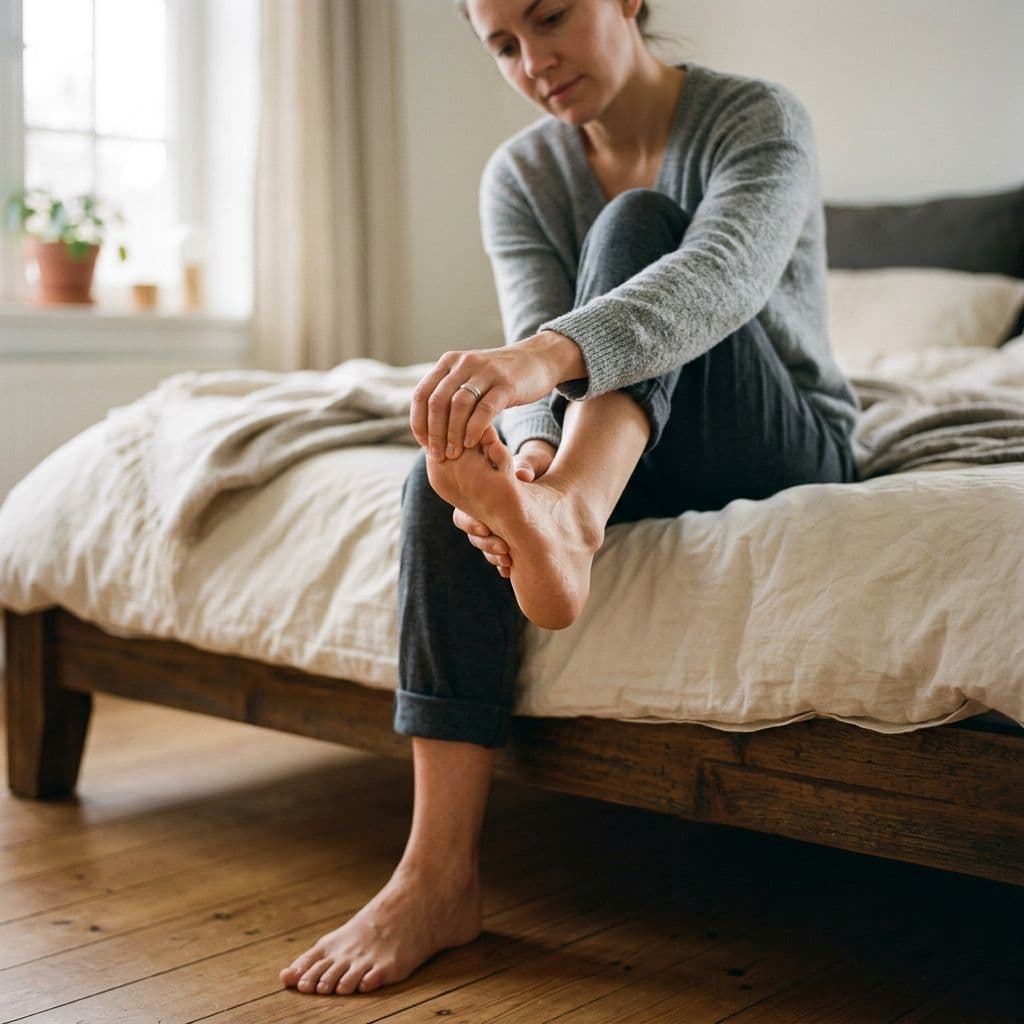
Sharp pain under the heel during the first steps out of bed is a classic plantar-fascia symptom, but it is not a complete diagnosis. The discomfort may ease after a few minutes, return after sitting, and build again after a long day of standing or walking. People often respond by rolling the foot repeatedly or buying new footwear, yet the problem can persist because the foot has not regained enough capacity for its daily load.
Plantar fasciitis is often called plantar fasciopathy because the condition is not simply an acute inflammatory process. The plantar fascia is a strong band supporting the arch and helping the foot manage force during walking. Symptoms can emerge after a rapid increase in steps, running, standing, body-weight load, hill work, or a return to activity after time away.
Other problems can also cause heel pain. Nerve irritation, heel-pad pain, stress injury, inflammatory disease, and referred symptoms from elsewhere need different management. Assessment matters when the presentation is severe, unusual, or not improving as expected.
Why the first steps in the morning can hurt
After the foot has rested, the first few loading cycles can feel stiff and sensitive. This start-up pain may also occur after getting out of a chair. As the tissue warms and walking continues, symptoms can ease temporarily, although a high total load may produce pain later in the day.
The morning pattern helps clinical reasoning but should not be used alone. The location is commonly near the inner underside of the heel, and pressing this area or loading the fascia through the toes may reproduce symptoms. Pain higher at the back of the heel may fit an Achilles presentation instead.
- Pain near the inner underside of the heel
- First-step pain after sleep or prolonged sitting
- Symptoms after a recent increase in walking, running, or standing
- Pain that eases initially but returns with accumulated load
- Reduced calf or foot capacity relative to daily demand
What a foot and ankle assessment should cover
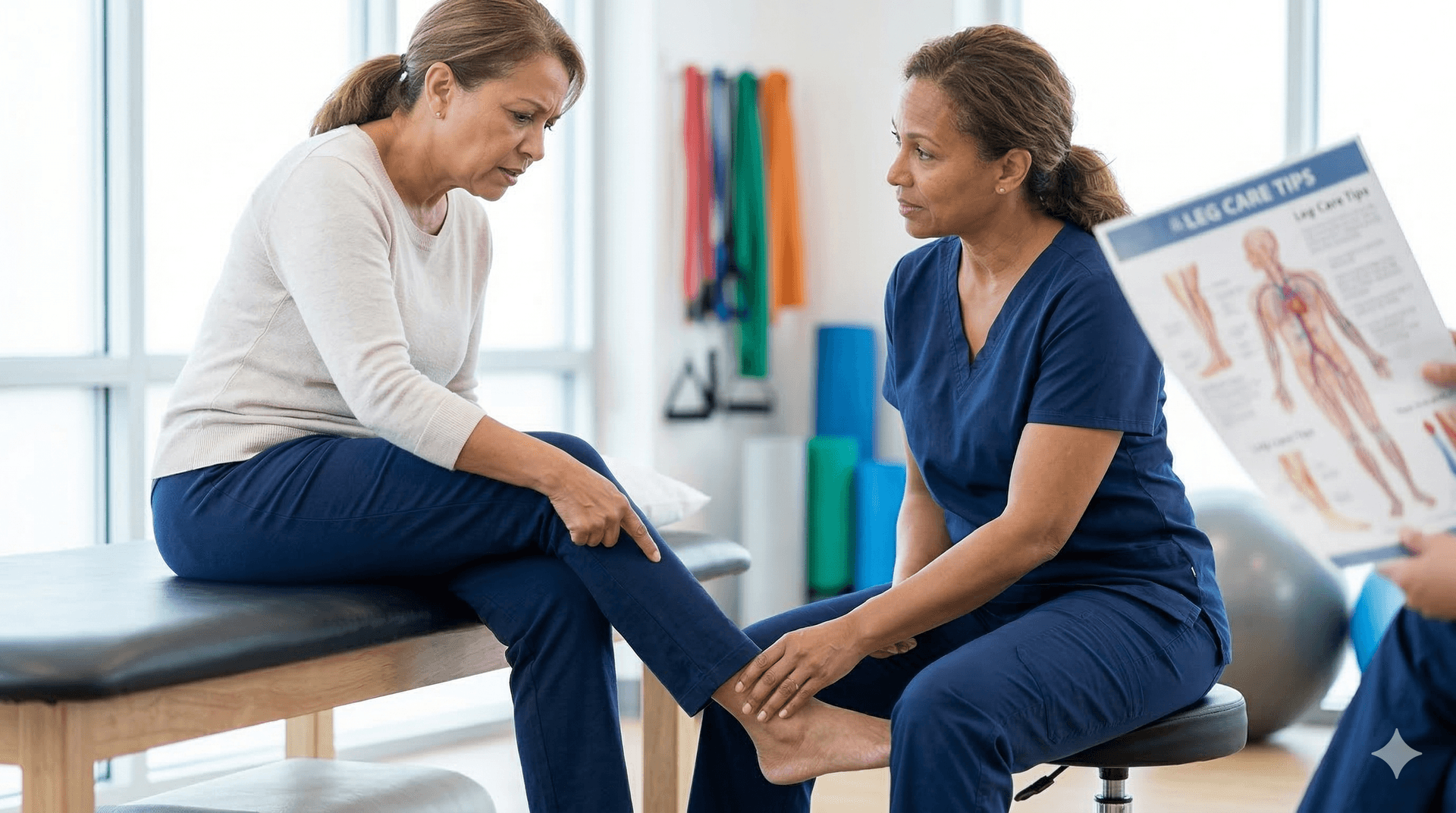
The clinician should ask about the exact pain location, morning behaviour, footwear, work surfaces, step count, running changes, medical conditions, and any numbness or burning. A sudden onset during running or inability to bear weight changes the level of concern.
Physical testing may include ankle movement, calf strength, single-leg balance, toe strength, walking, hopping when appropriate, and palpation of the heel. Foot posture can be described, but it should not be treated as a defect that must be permanently corrected. The important question is whether mobility and capacity meet the person’s demands.
- Calf flexibility and ankle movement
- Double-leg and single-leg heel-raise capacity
- Foot control during walking and balance
- Sensitivity at the heel, fascia, Achilles tendon, and nearby nerves
- Recent changes in surfaces, footwear, body load, or activity volume
A progressive treatment plan for plantar heel pain
Early care balances symptom reduction with continued activity. A temporary reduction in long walks, running, or barefoot time on hard floors can help, but complete rest does not rebuild tolerance. Supportive footwear or taping may reduce symptoms for some people while exercise is progressed.
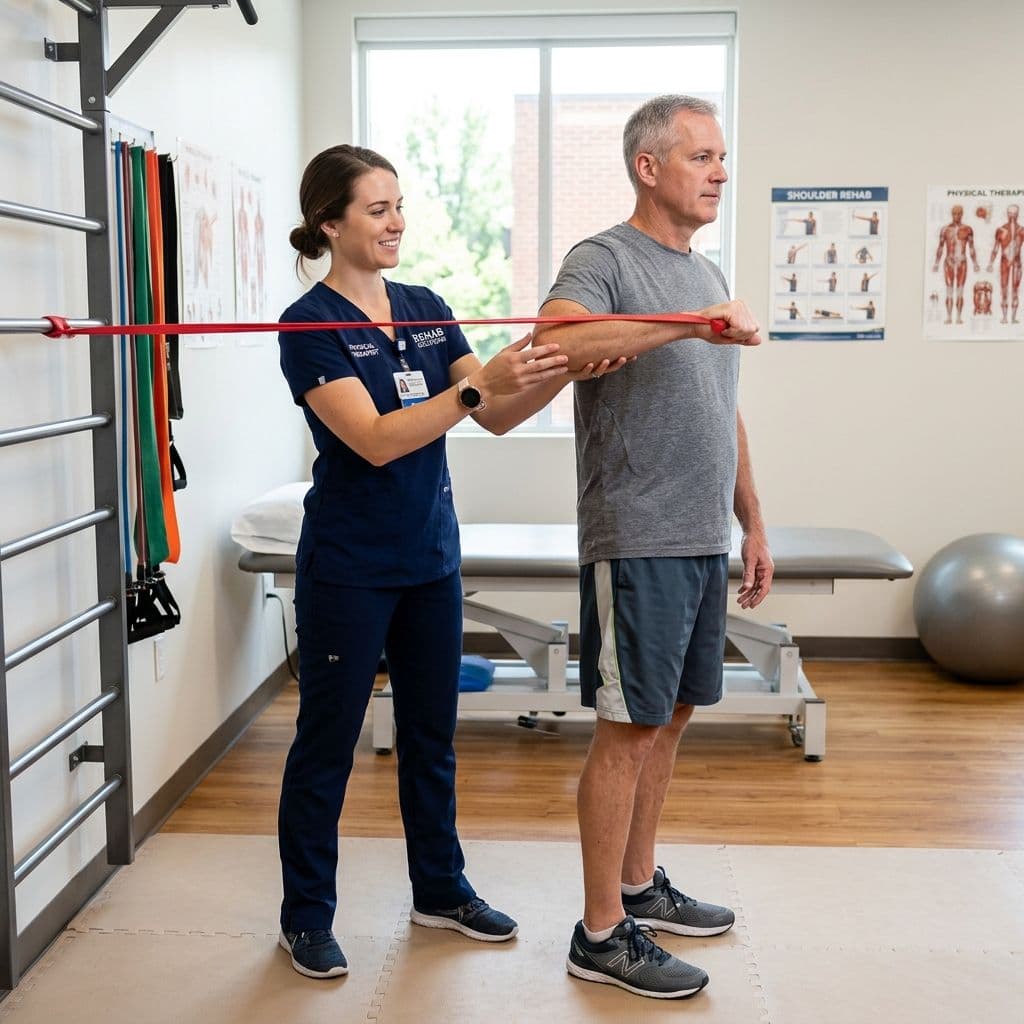
Calf and plantar-fascia mobility can be useful, particularly before the first steps of the day. Strength work is equally important. Heel raises can begin with both legs and progress to single-leg, added load, or a version that places the toes on a small towel to increase fascia demand.
- Use a brief plantar-fascia or calf movement before standing in the morning
- Choose footwear that makes walking more tolerable during the irritable phase
- Begin heel raises at a level that settles predictably
- Progress resistance and total walking separately
- Reintroduce running only after walking and strength milestones improve
How much pain is acceptable during exercise?
A small increase may be acceptable when it stays within an agreed range and returns to baseline by the next day. A large spike in first-step pain, limping, or steadily worsening symptoms suggests that the recent load increase was too aggressive.
Use the next morning as one feedback point, not the only measure. Walking tolerance, heel-raise strength, work comfort, and recovery after activity show whether capacity is changing.
What commonly delays heel-pain recovery
The most common problem is chasing short-term relief without changing capacity. Ice, rolling, massage, or a new insole can make the foot feel better, but the benefit may remain temporary if walking or running demand still exceeds what the calf and foot can tolerate.
Another problem is progressing too quickly as soon as pain improves. The tissue may tolerate daily walking before it is ready for running, jumping, or long periods on hard floors. Recovery should be staged rather than tested with one large activity.
- Stopping all loading until the foot feels completely normal
- Aggressively rolling a highly sensitive heel
- Changing shoes repeatedly without tracking activity load
- Returning to running based only on one pain-free morning
- Ignoring numbness, burning, swelling, or night pain
A practical return-to-walking or running framework
First establish a repeatable level of daily walking that does not cause a prolonged flare. Then increase either distance, pace, hills, or frequency in small steps. Runners can begin with short run-walk intervals once brisk walking and strength tasks are tolerated.
Keep the strengthening program during the return phase. Running itself is not always enough to restore the calf and foot capacity that was lost. A clinician can use heel-raise endurance, hopping, and symptom response to guide progression.
- Build a stable walking baseline
- Increase one training variable at a time
- Avoid sudden combinations of hills, speed, and extra distance
- Continue calf and foot strengthening two or more times per week
- Use symptoms over 24 hours to adjust the next session
Plan for standing work and long days on your feet
People who stand for work cannot always remove the load that provokes heel pain. The plan may need shorter walking routes, task rotation, brief seated periods, supportive footwear, and a gradual change in total standing time. Workplace changes are most useful when they create enough symptom control for strengthening to continue.
Use a simple load diary for one or two weeks. Record approximate steps or standing hours, exercise, footwear changes, and the next morning’s first-step pain. Patterns often become clearer than they are from memory. A sudden combination of overtime, extra walking, and a harder exercise session may explain a flare better than one isolated movement.
As capacity improves, remove temporary supports gradually. Increase time in less supportive footwear, longer walks, or harder surfaces separately. The goal is not lifelong dependence on one shoe or insert; it is a foot that tolerates the environments the person actually uses.
- Rotate tasks when prolonged standing cannot be avoided
- Use brief seated recovery periods before pain becomes severe
- Track total daily load and next-morning response
- Progress footwear freedom in small stages
- Keep calf strengthening consistent through busy workweeks
Red flags: when symptoms need urgent medical review
Seek medical assessment when heel pain does not fit a routine load-related pattern or when the ability to bear weight changes suddenly.
- Inability to bear weight after a fall, jump, or sudden injury
- Marked swelling, bruising, deformity, or a suspected tendon rupture
- A hot, red foot with fever or feeling unwell
- Persistent night pain, unexplained weight loss, or rapidly worsening symptoms
- New numbness, progressive weakness, or a wound that is not healing
Questions patients commonly ask
These answers are general guidance. The right decision depends on your symptoms, medical history, examination findings, and the activities you need to return to.
Should I walk barefoot with plantar fasciitis?
There is no universal rule. Some feet tolerate barefoot walking well; an irritable heel may prefer temporary support on hard floors. Use symptom response and gradually restore tolerance rather than making the choice permanent.
Do insoles cure plantar fasciitis?
Insoles can improve comfort for some people, especially as a short-term load-management tool. They do not replace progressive exercise and activity planning, and custom devices are not automatically required.
Is a heel spur causing the pain?
Heel spurs can be present without pain and do not always explain symptoms. Clinical presentation and function are more useful than assuming the spur must be removed or permanently unloaded.
How long does plantar heel pain take to improve?
Improvement may take weeks to months depending on duration, irritability, health, activity demand, and consistency. A good plan should show progress in morning pain, walking, strength, and recovery even before symptoms fully disappear.
The clinic takeaway for morning heel pain
Plantar heel pain improves when the plan addresses both sides of the load equation: temporarily reduce the activities that overwhelm the foot and progressively build the calf, foot, and walking capacity required for daily life. Passive relief can support that process but should not become the entire plan.
At Physynex, bring your usual footwear and note your average walking or running volume. A clear timeline of activity changes, first-step pain, and work demands helps distinguish plantar fasciopathy from other causes and creates a measurable progression.
Relevant Physynex care pathways
Use these pages to understand the related condition or service. An assessment is still the right starting point when the diagnosis is uncertain.