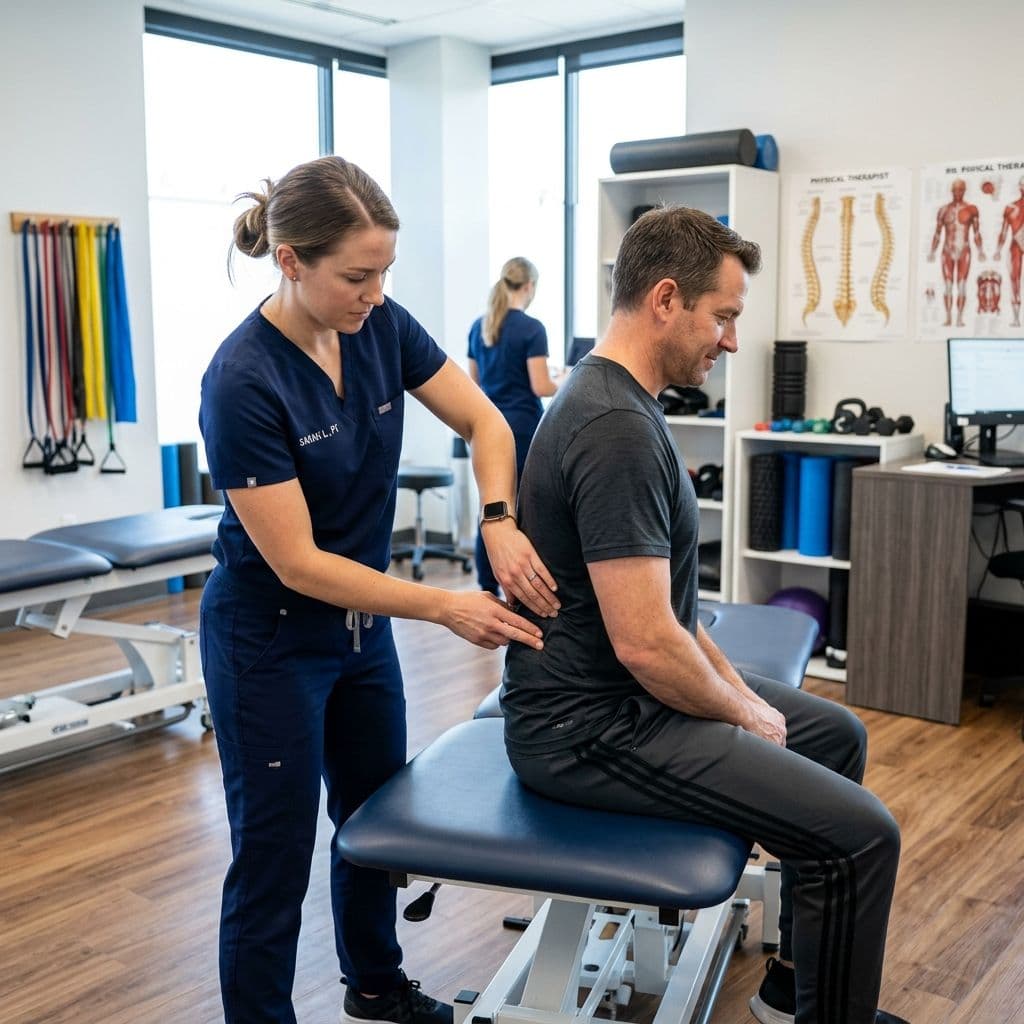

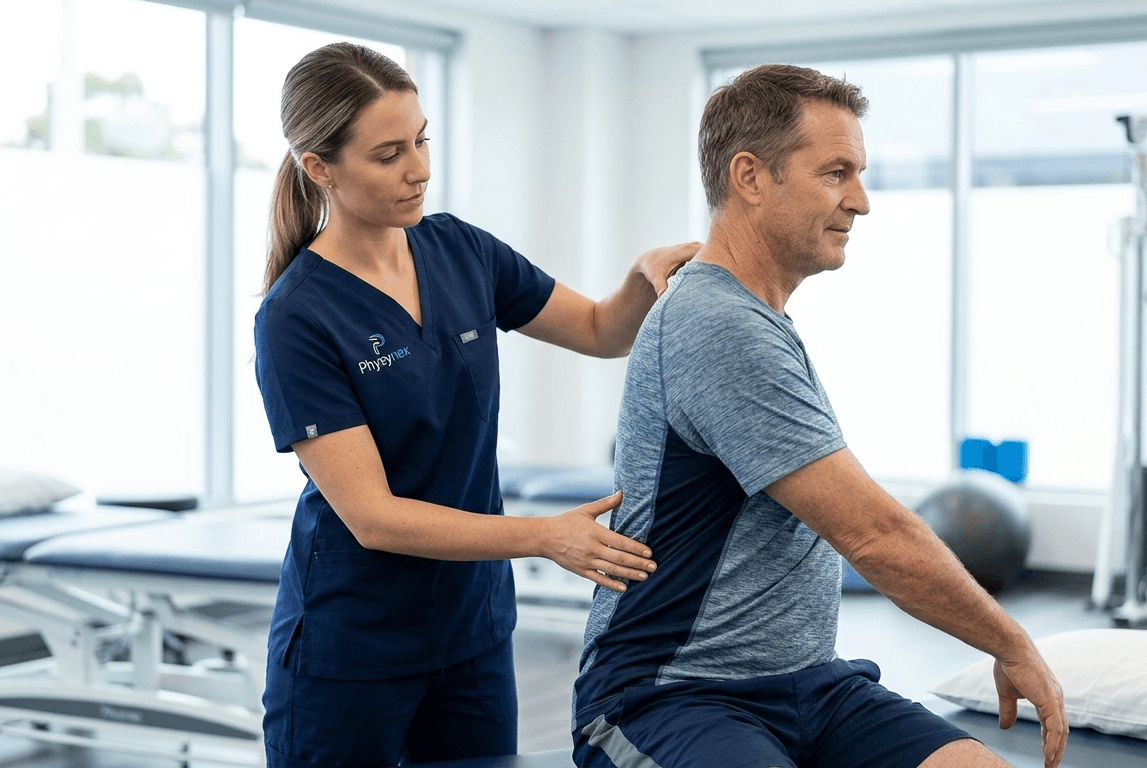
Back pain is common, but it is also commonly misunderstood. Many people assume the solution is perfect posture, complete rest, or avoiding bending forever. In reality, most backs need better capacity, better movement variety, and a calmer relationship with load. Physiotherapy helps by identifying what the back is currently struggling to tolerate and rebuilding that tolerance step by step.
A strong spine is not a rigid spine. It is a spine that can bend, rotate, lift, sit, stand, walk, and recover. The goal is not to protect the back from every demand. The goal is to prepare it for the demands that matter in real life.
Why backs become sensitive

Back pain can appear after a clear incident, such as lifting something heavy, but it also builds gradually from repeated stress. The common pattern is a mismatch between capacity and demand.
Contributors may include:
- Long static sitting or standing
- Sudden increases in lifting, driving, gym work, or sport
- Low hip, trunk, or glute strength
- Poor recovery, stress, or sleep disruption
Also note: Reduced movement variety; Fear of bending after a previous episode; Returning too quickly after a flare-up.
Back pain is rarely about one posture being "bad." It is usually about too much of one thing and too little capacity for variety.
A quick self-check
Ask:
- Does pain build after sitting, standing, bending, or walking?
- Is morning stiffness the main issue?
- Does movement ease the pain or worsen it?
- Do you avoid bending because you fear damage?
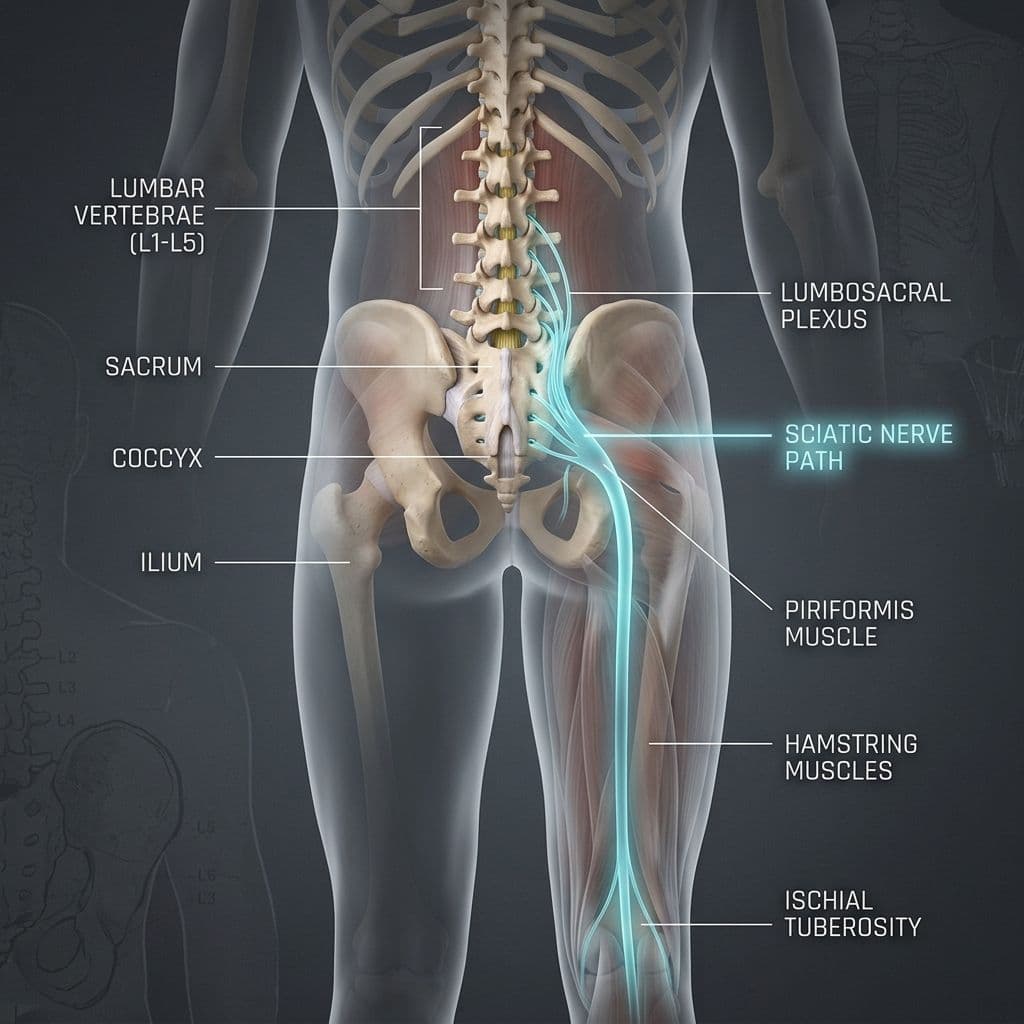
Also note: Are flare-ups linked to stress, poor sleep, or workload spikes?; Does pain travel into the leg with numbness or weakness?; Do symptoms settle within a day, or do they escalate for several days?.
These answers help decide whether the plan should focus on mobility, strength, pacing, nerve symptoms, or medical review.
What physiotherapy does for spine health
It reduces fear of movement: Many people with back pain move stiffly because they are afraid of triggering damage. A physiotherapist helps identify safe movement ranges and gradually expands them.
It builds trunk and hip capacity: The lower back does not work alone. The hips, glutes, abdominal wall, breathing mechanics, and upper back all influence how load is shared.
It restores bending and lifting confidence: Avoiding bending forever is not realistic. The spine is designed to move. Rehab reintroduces bending, lifting, carrying, and rotation in a controlled way.
It improves flare-up management: People recover better when they know what to do during a flare-up: what to reduce, what to keep, how to sleep, and when to restart strengthening.
What to try first
For a mild mechanical flare-up, general strategies may include:
- Keep moving gently instead of lying down all day.
- Use short walks to reduce stiffness.
- Change position often during work.
- Avoid repeated heavy bending for a few days if it is highly irritable.
Also note: Restart easy mobility before returning to heavier strength work.; Track what worsens symptoms the next day, not only during the activity..
The goal is to stay active without repeatedly poking the most sensitive movement.
A simple progression model
- Calm the flare-up with gentle movement and pacing.
- Restore comfortable range in bending, rotation, and walking.
- Build trunk, hip, and leg strength.
- Reintroduce work, gym, lifting, or sport gradually.
- Build a maintenance plan so flare-ups become less frequent.
This is different from chasing temporary relief. It is capacity-building.
How to make back rehab specific
Back rehab should match the main trigger. A desk-related back problem often needs position changes, walking breaks, hip mobility, and trunk endurance. A lifting-related back problem may need hip hinge practice, bracing strategy, progressive deadlift patterns, and recovery planning. A runner with back pain may need hip strength, cadence review, and workload management. A parent lifting a child may need repeated low-level lifting practice, not only floor exercises.
This is why generic advice can fall short. Two people can both say "my lower back hurts," but one needs more movement and the other needs better load control.
Flare-up plan
A flare-up plan prevents panic. It should answer four questions:
- What movements should I keep?
- What movements should I reduce for a few days?
- What signs mean I can restart strengthening?
- What signs mean I should get checked?
For many mechanical flare-ups, the plan may include short walks, gentle mobility, comfortable positions, and temporary reduction of heavy lifting. Once symptoms settle, the person returns to strength work gradually. The mistake is staying in the "protect" phase for weeks after the back is ready to rebuild.
How to know your spine plan is working
Look for functional changes:
- You sit longer without escalating pain.
- You bend with less fear.
- You walk faster or further.
- Flare-ups settle quicker.
Also note: You can lift predictable loads.; You need fewer pain-driven rest days..
These are better signs than chasing a perfectly pain-free day before doing anything.
Desk work, driving, and lifting
Three common back pain triggers need different strategies.
Desk work usually needs position variety. The best posture is often the next posture. Movement breaks, chair setup, screen height, and short walking resets can reduce sensitivity.
Driving often needs tolerance building. Seat position, lumbar support, break timing, and post-drive mobility can help. If pain always appears after the same commute time, start breaks before that point.
Lifting needs graded exposure. Begin with technique, range, and load you can control. Then add weight, repetition, or awkwardness gradually. Real life involves imperfect lifts, so the long-term goal is capacity, not fragile perfection.
What makes spine rehab last
A spine plan lasts when it becomes part of the week:
- Two or three strength sessions
- Daily movement snacks
- A flare-up plan
- Sleep and stress awareness
- Gradual return to meaningful tasks
This does not need to be complicated. It needs to be repeatable.
Why prevention matters
Back pain often costs people time before it becomes medically serious. It interrupts workouts, travel, work focus, sleep, and confidence with ordinary lifting. Prevention means keeping the back prepared for busy weeks instead of only reacting after every flare-up. A small weekly strength plan, regular walking, and an early response to stiffness can prevent many setbacks.
Exercises that may appear in a spine plan
Examples include:
- Walking intervals
- Pelvic tilts or gentle mobility drills
- Cat-camel or thoracic rotation
- Glute bridges
Also note: Hip hinges; Dead bug variations; Side plank progressions; Split squat or step work; Loaded carries when ready.
The best exercise depends on your pain pattern and goal. A desk worker, a new parent, a runner, and a manual worker may all need different progressions.
Red flags
Seek medical review if there is:
- New bowel or bladder change
- Numbness around the saddle area
- Progressive leg weakness
- Fever, unexplained weight loss, or history of serious illness
- Severe pain after trauma
- Pain that is worsening at night and not easing
Most back pain is not dangerous, but these signs should be taken seriously.
Common questions about spine health
Is posture the main cause of back pain?
Usually not by itself. Posture can contribute, but load, movement variety, strength, sleep, stress, and recovery matter too.
Should I rest until pain is gone?
Complete rest for long periods usually slows recovery. Gentle activity is often helpful unless red flags are present.
Can I lift again after back pain?
In most cases, yes. The key is graded exposure: start with manageable loads and build gradually.
Why does back pain come back?
Recurring pain often means capacity has not been rebuilt or the triggers have not been addressed. A prevention plan matters.
When back pain needs assessment
Book an assessment if back pain keeps returning, lasts more than a few weeks, travels into the leg, interrupts sleep, or makes you afraid of normal bending and lifting. You do not need to wait until the pain is severe. Recurrent mild flare-ups are often a sign that the back needs a better capacity plan.
The assessment should connect symptoms to life demands: desk work, driving, lifting, parenting, training, or sport. It should also screen for nerve signs and red flags. The plan should leave you with a clear progression, not only temporary relief. The real win is knowing how to calm a flare-up and how to rebuild once it settles.
Bring examples of the movements you avoid. If bending, sitting, driving, or lifting is the main fear, those tasks should become part of the rehab plan rather than something you simply avoid.
Explore back and nerve care
Clinic takeaway for spine health
If your back pain keeps returning, it is asking for a better system, not more fear. At Physynex, we assess movement, strength, work habits, nerve signs, and recovery factors so the back can become more reliable in real life.