
ACL recovery is a timeline of milestones, not just a countdown of weeks
One of the first questions after an ACL injury or surgery is "how many months until I'm back?" It's a fair question, but the honest answer is that ACL recovery is milestone-based, not date-based. Two people who had surgery on the same day can be at very different points three months later, depending on strength, swelling, confidence, and how well each phase was actually completed. Here is a realistic, phase-wise picture of what recovery involves.
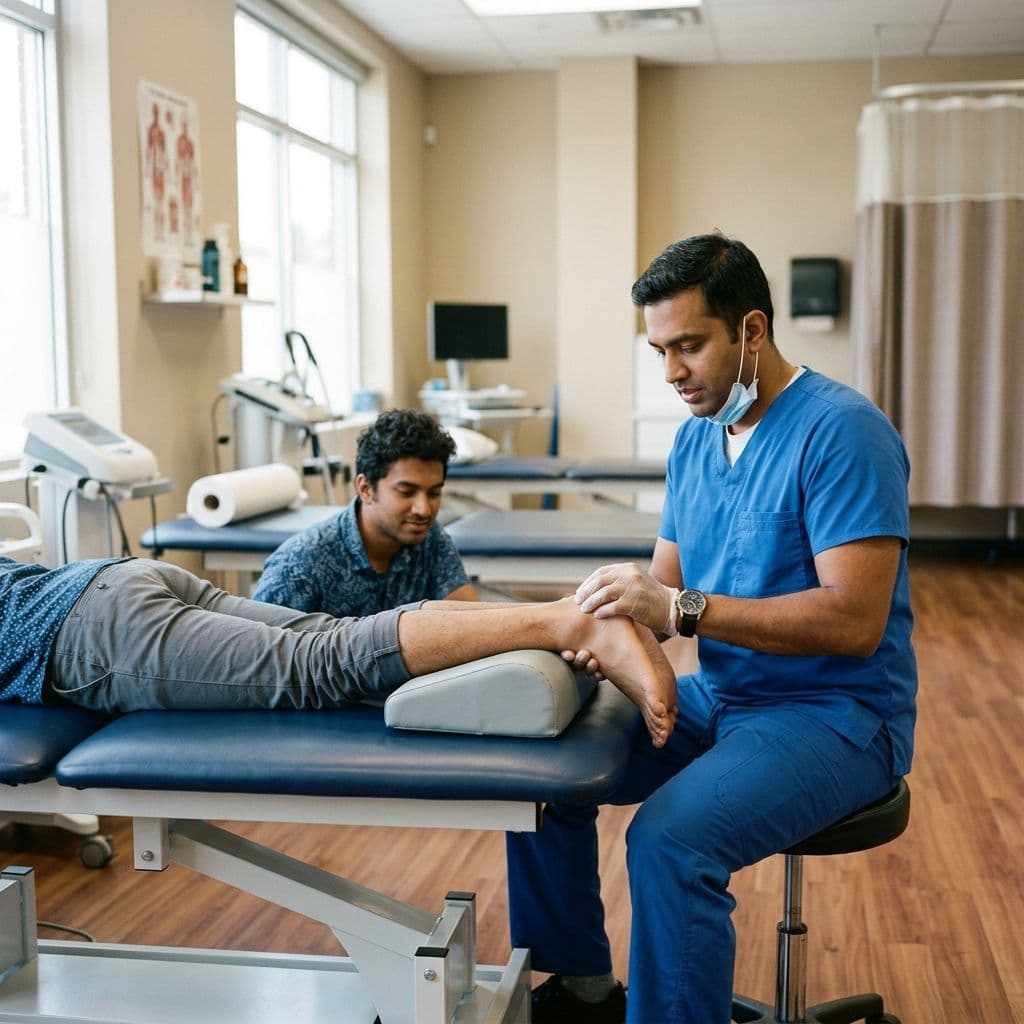
Phase 1: Weeks 0-2, protecting the knee and controlling swelling
The early priority is reducing swelling, protecting the healing graft or ligament, and regaining basic range of motion, along with waking up the quadriceps muscle, which typically shuts down significantly after ACL surgery. Walking normally without a limp is usually the main functional goal of this phase, not strength or speed.
Phase 2: Weeks 2-6, rebuilding range of motion and basic strength
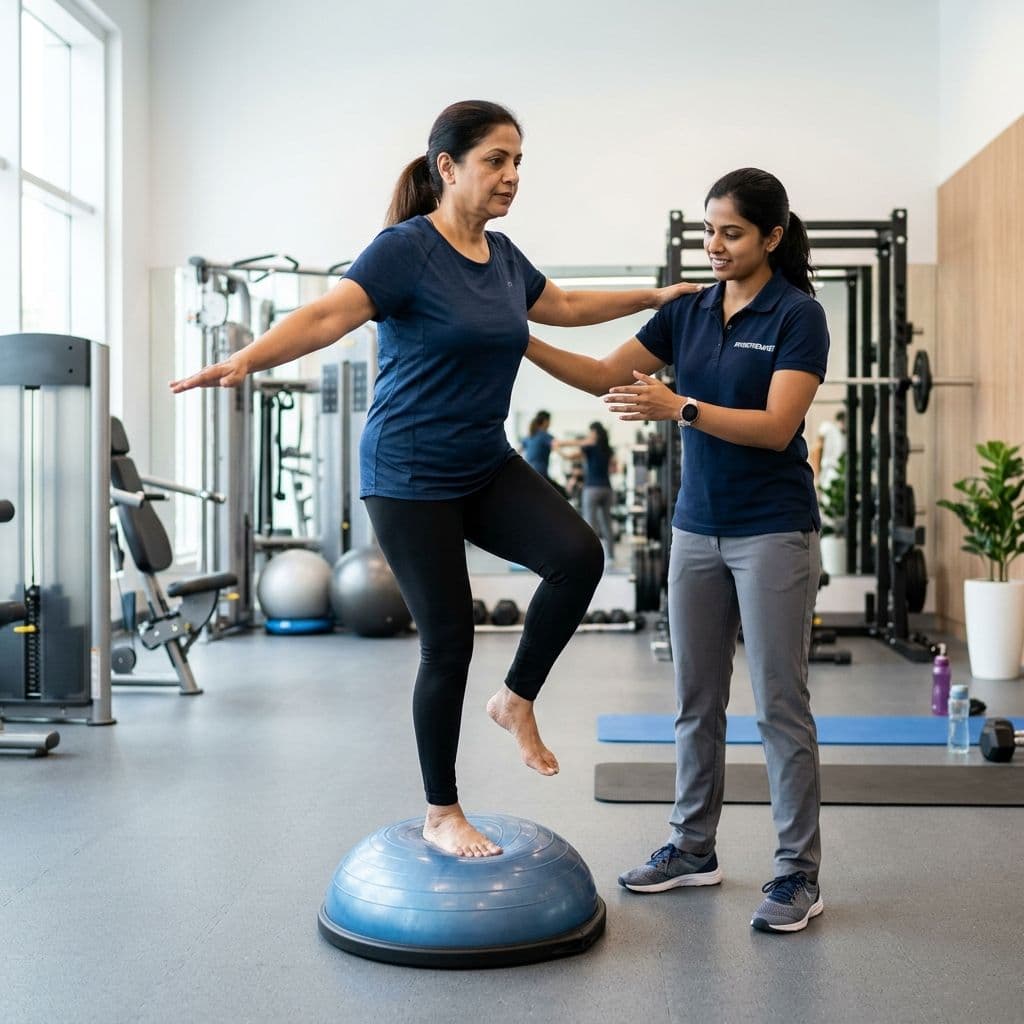
Once swelling is under control, the focus shifts to restoring full knee bend and straightening, and building baseline strength in the quadriceps, hamstrings, and hip. Balance and basic control exercises usually begin here as well. Rushing strength work before range of motion is restored is a common mistake that creates stiffness problems later.
Phase 3: Months 2-4, progressive strengthening
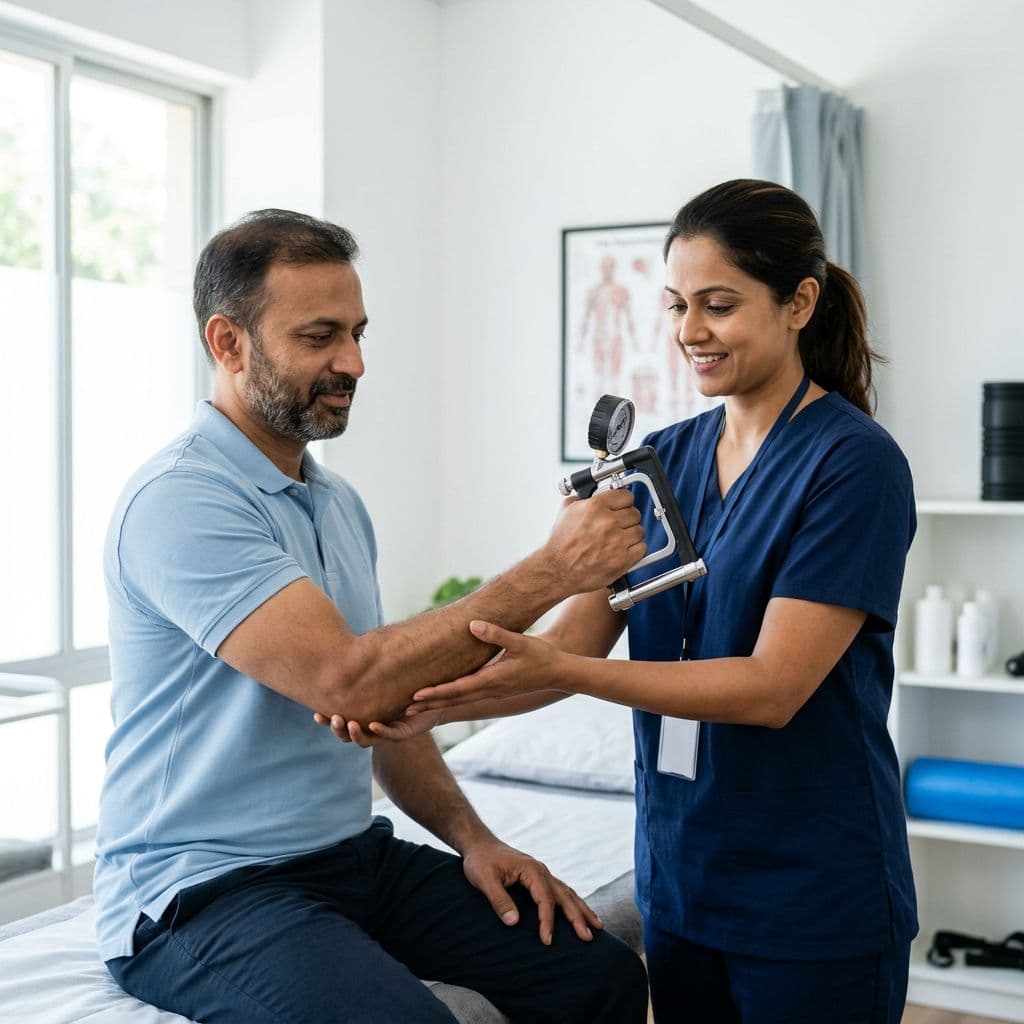
This is where real strength gains happen: squats, step-downs, controlled lunges, and increasingly demanding balance and control work. The goal is closing the strength gap between the injured and uninjured leg, which is usually tracked with actual strength testing rather than guesswork.
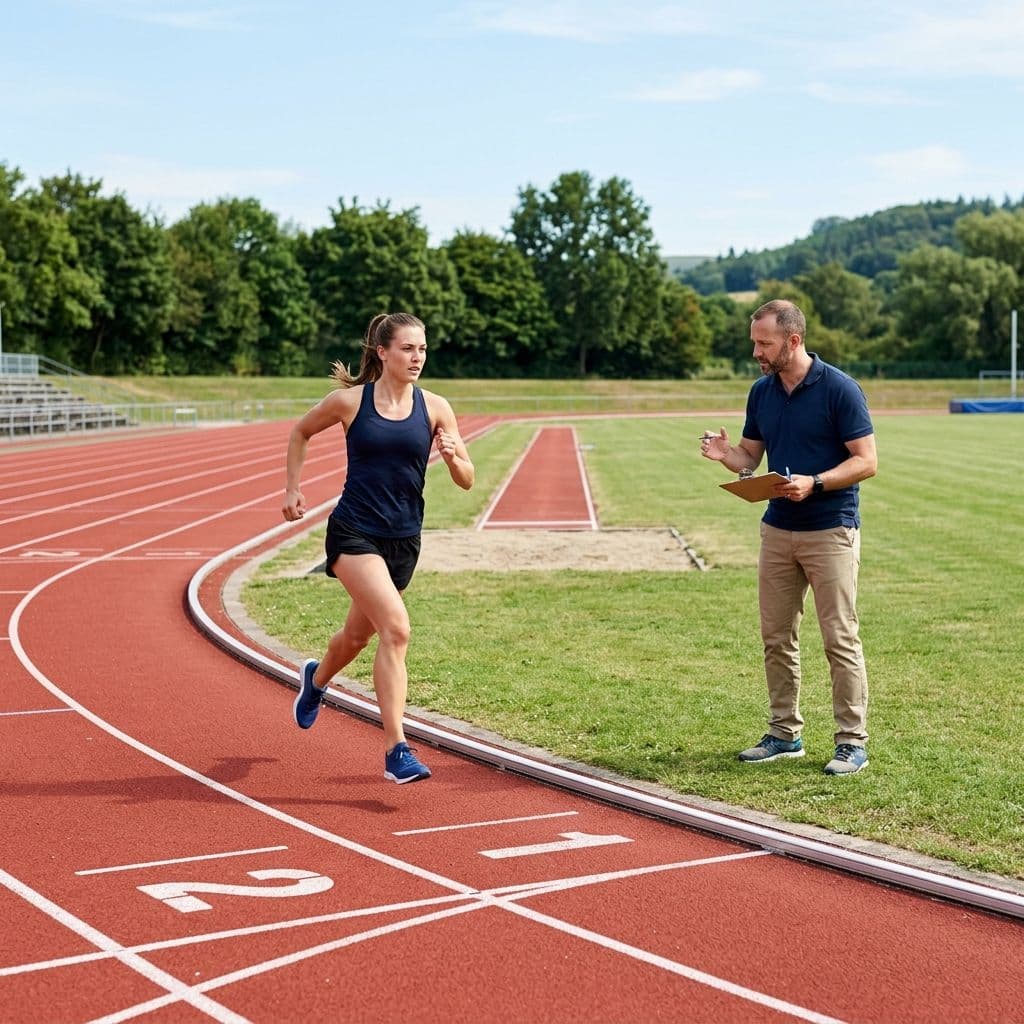
Phase 4: Months 4-6, running and plyometric progression
Once strength benchmarks are met, typically around 70-80% of the uninjured leg's strength, and there's no swelling or instability, controlled running and low-level jumping and landing drills are introduced. This phase teaches the knee to absorb force safely again, which is different from simply being strong in a gym setting.
Phase 5: Months 6-9+, sport-specific and return-to-sport testing
Return to sport is not simply "the six-month mark has arrived." It should be based on objective testing: strength symmetry between both legs, hop-test performance, and confidence in cutting, pivoting, and landing movements specific to your sport. Returning based on a calendar date alone is one of the biggest predictors of re-injury.
Common setbacks that stall this timeline
A few patterns show up repeatedly in ACL rehab and are worth knowing about in advance. Persistent swelling after activity, even weeks or months into rehab, usually means the knee is being loaded faster than it's ready for and needs a temporary step back in intensity, not pushing through it. A quadriceps strength gap that never fully closes is another common one, often because strength testing wasn't actually done, so the gap went unnoticed until running or jumping exposed it. And a loss of confidence, feeling hesitant or "off" on the knee despite good strength numbers, is a real factor that needs its own attention through graded exposure to sport-like movements, not just more gym-based strengthening.
Why timelines vary so much between people
Graft type, age, pre-injury fitness, how consistently rehab sessions and home exercises were done, and whether any setbacks occurred along the way all affect how fast someone progresses. This is exactly why milestone-based criteria matter more than a fixed calendar: they reflect what your knee can actually do, not just how much time has passed.
Getting the process managed properly
A structured ACL rehab program at Physynex tracks each of these phases with actual strength and function testing at key points, so progression decisions are based on data rather than dates. This reduces the risk of returning too early and re-injuring the same knee, which is unfortunately common when rehab is rushed or self-guided.
If you're recovering from an ACL injury or surgery and want a clear, milestone-based rehab plan, book an assessment with Physynex in Purasaiwakkam, Chennai, or call +91 92117 36580.