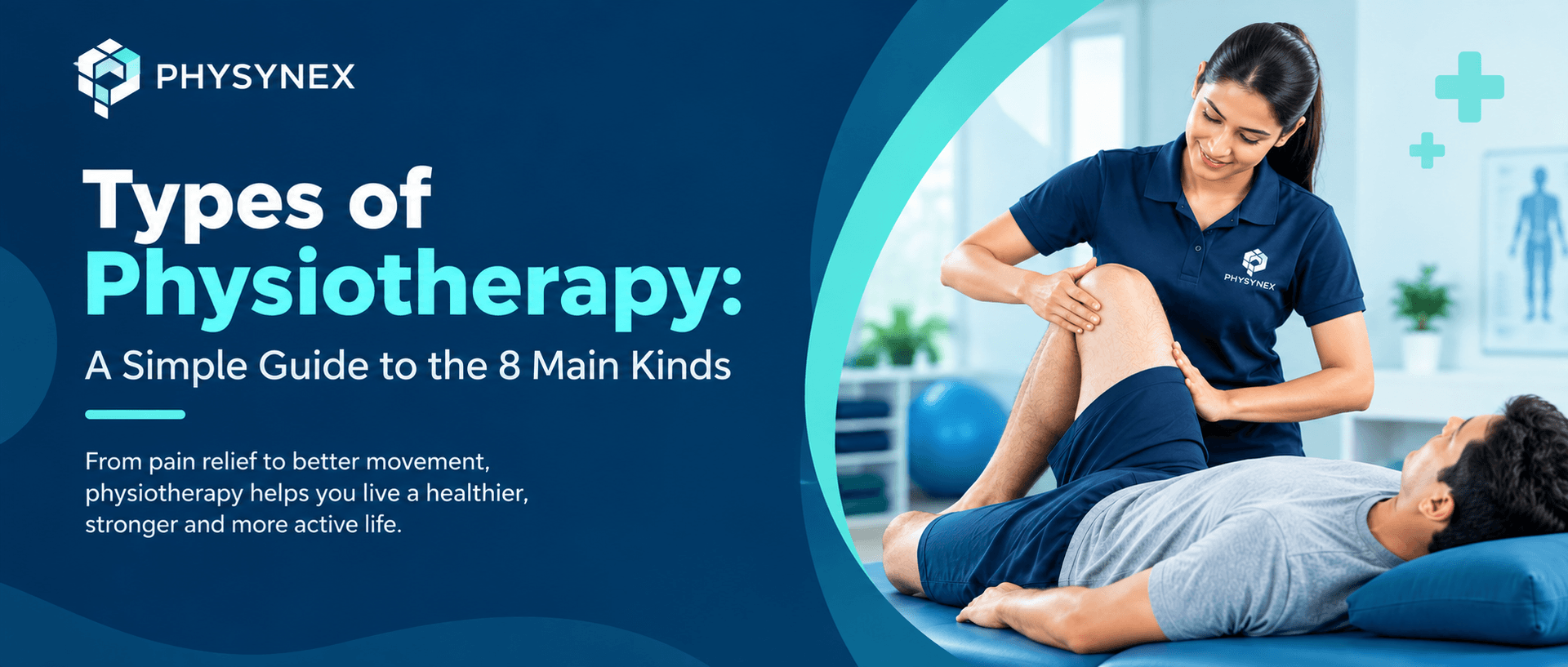


The main benefits of physiotherapy are less pain, better movement, faster recovery after injury or surgery, and stronger balance. It also helps prevent new injuries, manage long-term conditions, and build confidence in daily life. A physiotherapist builds a plan around your goals, so the benefits depend on what you need most.
Key Highlights
- Physiotherapy reduces pain by treating its cause, not only the symptom, using exercise, hands-on care, and pain-relief methods.
- It restores movement and strength after an injury, a surgery, or a long period of rest.
- Better balance from physiotherapy lowers the risk of falls, which matters most for older adults.
- Physiotherapy can help prevent injuries by fixing weak links and movement habits before they cause harm.
- It supports long-term conditions, recovery after a stroke, and the changes of pregnancy and life after birth.
- The benefits are strongest when you start with an assessment and keep up your home exercises between visits.
What Is Physiotherapy and Why Does It Matter?
Physiotherapy is a health service that helps you move, recover, and stay active using exercise, hands-on treatment, and education. It matters because movement affects almost everything you do, from walking to work to playing with your children. According to the Cleveland Clinic, it can help with problems in muscles, bones, joints, the heart, the lungs, and the nervous system.
Many people think physiotherapy is only for sports injuries or the weeks after surgery. In reality, it is used at every age and for many kinds of problems. A physiotherapist finds what is limiting your movement, treats it, and teaches you how to keep the gains.
What Are the Main Benefits of Physiotherapy?
The benefits below are the ones people notice most often. Not everyone will get every benefit, and your results depend on your condition, your goals, and how regularly you follow the plan. Each section starts with a short answer, so you can jump straight to what matters to you.
1. Does Physiotherapy Reduce Pain?
Yes. Physiotherapy reduces pain by treating its cause, such as a stiff joint, a weak muscle, or an irritated nerve. It uses a mix of hands-on techniques, targeted exercise, and pain-relief methods. Many people find they need less pain medicine as their movement improves.
This works for back pain, neck pain, knee pain, and shoulder pain, among others. Read more about musculoskeletal physiotherapy in Chennai to see how pain is assessed and treated step by step.
2. Can Physiotherapy Improve Movement and Flexibility?
Yes. Physiotherapy improves movement by loosening tight tissues, mobilising stiff joints, and training the muscles that control them. Over time you can bend, reach, and walk with less effort. Better flexibility also makes everyday jobs, like climbing stairs or getting dressed, feel easier.
3. Does Physiotherapy Help You Recover From Injury or Surgery?
Yes. Physiotherapy rebuilds strength, movement, and confidence after an injury or an operation. Your plan follows the stages of healing and is often shared with your surgeon or doctor. Starting at the right time helps you avoid stiffness, weakness, and long delays in getting back to normal.
Also Read: What are the different types of physiotherapy treatment?
Common examples include fractures, ligament tears, joint replacements, and shoulder or spine surgery. Rehab is usually gradual. You start with gentle movement and add load only when your body is ready.
4. Can Physiotherapy Improve Balance and Prevent Falls?
Yes. Physiotherapy improves balance by training strength, coordination, and reaction speed together. This lowers the chance of a fall, which can cause serious injury in older adults. Exercises are safe, progressive, and matched to your ability, so you build confidence as you go.
If you are caring for a parent or grandparent, our guide on physiotherapy benefits for seniors explains how to protect independence in daily life.
5. Can Physiotherapy Prevent Future Injuries?
Yes. Physiotherapy helps prevent injuries by finding weak links and poor movement habits before they cause harm. A therapist can check how you run, lift, sit, or land, then correct what is putting extra stress on a joint. This is why many athletes and workers see a physiotherapist even when nothing hurts.
6. Can Physiotherapy Help With Long-Term Conditions?
Yes. Physiotherapy helps people manage long-term conditions such as arthritis, chronic back pain, and some heart and lung problems. It cannot cure every condition. It can ease symptoms, keep you moving, and help you do more with less discomfort and fewer flare-ups.
A good plan teaches you how to pace your activity and what to do on bad days. That knowledge stays with you long after the sessions end.
7. How Does Physiotherapy Help After a Stroke or Nerve Problem?
Physiotherapy helps after a stroke or nerve problem by retraining movement, balance, and walking. The nervous system can form new pathways with repeated practice, so structured exercise matters a great deal. Sessions focus on real tasks, such as standing up, reaching, and taking safe steps.
You can see how this is planned in neuro and balance rehabilitation. Family members are often shown how to support practice at home.
8. Is Physiotherapy Good for Pregnancy and Postnatal Recovery?
Yes. Physiotherapy can ease back and pelvic pain during pregnancy and support recovery after childbirth. It also helps with pelvic floor weakness, which is common and treatable. Care is private and gentle, and it changes as your body changes from one stage to the next.
9. Can Physiotherapy Improve Posture?
Yes. Physiotherapy improves posture by strengthening the muscles that hold your spine and shoulders in a good position and by teaching you better habits. This helps with the neck and back strain that comes from long hours at a desk. Small changes to your workstation and breaks can make a real difference.
If you work at a computer, see these tips on office ergonomics for back and neck pain to pair with your exercises.
10. Does Physiotherapy Build Confidence and Independence?
Yes. Physiotherapy builds confidence because you learn what your body can safely do and how to keep improving. Many people fear moving after an injury, and that fear can slow recovery. Guided progress replaces fear with trust, so you return to work, sport, and family life with more independence.

Who Can Benefit From Physiotherapy?
Almost anyone can benefit from physiotherapy, from children with movement delays to older adults who want to stay independent. It is especially useful for people with pain, injuries, recent surgery, nerve conditions, long-term illness, or a desk-based job. If a problem limits how you move, a physiotherapist can probably help.
How Do You Get the Most From Physiotherapy?
You get the most from physiotherapy by starting early, being honest about your goals, and doing your home exercises every week. These habits often matter as much as the sessions themselves. Try the following habits, which work for almost every condition.
- Book an assessment early. Small problems are usually easier to fix than long-standing ones.
- Share your goals. Tell your physiotherapist what you want to get back to, such as walking without pain or playing a sport.
- Do your home exercises. Short, regular practice beats one long session a week.
- Report changes. Tell your therapist if pain rises, a movement feels wrong, or you improve faster than expected.
- Ask questions. You should understand your diagnosis and why each exercise is in your plan.
Are There Any Risks or Side Effects?
Physiotherapy is generally safe, and side effects are usually mild. You may feel some soreness or tiredness after a session, much like after a workout. Tell your therapist if pain feels sharp or lasts longer than expected so they can adjust the plan.
See a doctor promptly if you have sudden severe pain, chest pain, trouble breathing, or numbness with weakness. These signs need medical attention before or alongside physiotherapy.
If you are ready to feel and move better, book an assessment at Physynex in Chennai. The physiotherapist will find the cause of your problem and build a plan around what matters most to you.
Frequently Asked Questions
What are the main benefits of physiotherapy?
The main benefits are less pain, better movement and flexibility, faster recovery after injury or surgery, and better balance. Physiotherapy also helps prevent new injuries and manage long-term conditions.
Is physiotherapy worth it?
For most people with pain, an injury, or a movement problem, yes. Physiotherapy treats the cause and teaches you how to keep improving on your own. The value is highest when you attend an assessment and follow your exercise plan.
How long does physiotherapy take to work?
It depends on your condition. A mild sprain may improve in a few weeks, while long-standing pain or recovery after surgery takes longer. Your physiotherapist can give you a realistic time frame after the first assessment.
Who can benefit from physiotherapy?
Children, adults, athletes, desk workers, pregnant women, and older adults can all benefit. It is helpful for pain, injuries, surgery recovery, nerve conditions, and long-term health problems.
Are there any side effects of physiotherapy?
Side effects are usually mild, such as temporary muscle soreness or tiredness after a session. Tell your physiotherapist if pain is sharp or does not settle so the plan can be adjusted.