Section Guide
6 Sections

Criteria-based rehabilitation after ACL injury or reconstruction with staged strength, control, and return-to-sport planning.
Section Guide
6 Sections
This section explains how symptoms typically behave, what often keeps them going, and which physical capacities usually need to improve for recovery to hold up in daily life.
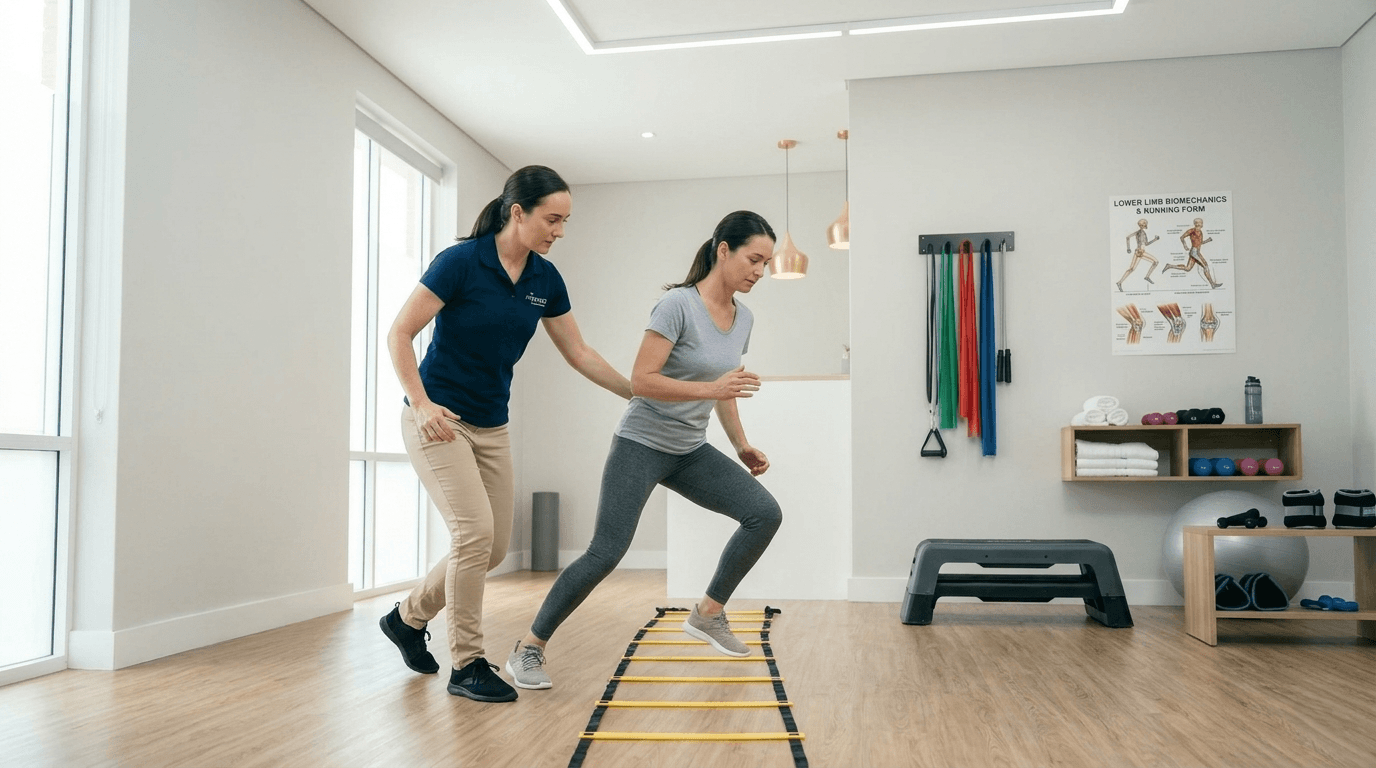
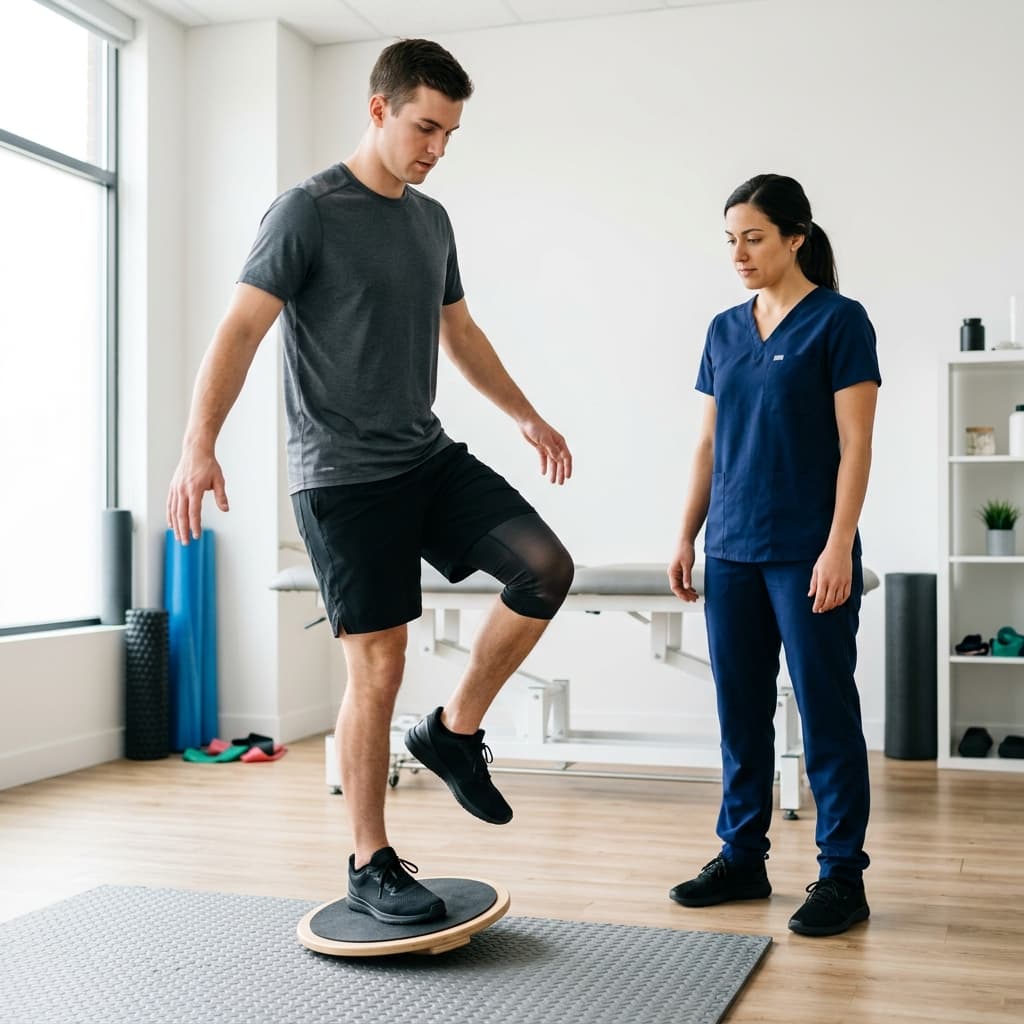
ACL rehab is not just about waiting for a timeline to pass. Strong outcomes depend on restoring range, quadriceps strength, landing mechanics, confidence, and sport-specific readiness through objective milestones.
At Physynex, ACL rehabilitation progresses from early symptom management to advanced single-leg strength, impact control, and return-to-play testing so the pathway is both safe and measurable.
Clinical Snapshot
Criteria-based rehabilitation after ACL injury or reconstruction with staged strength, control, and return-to-sport planning.
Typical Symptom Pattern
What We Clarify During Assessment
Related Guides
If your symptoms feel more specific or overlap with another pattern, these guides can help you understand the closest condition pathways.
Knee Pain
Evidence-based rehabilitation for patellofemoral pain, meniscal irritation, ligament recovery, arthritis-related stiffness, and load-related knee pain.
Muscle Strain Recovery
Sport-specific rehabilitation for acute muscle strains, recurring pulls, and return-to-play progression with clear loading milestones.
Calf Pain and Strain
Targeted rehabilitation for calf strains, calf tightness, push-off pain, and return-to-walk or return-to-run recovery.
ACL rehab is progressed through objective milestones rather than calendar dates alone, with the plan moving from swelling and strength recovery into landing, cutting, and return-to-sport readiness.
The goal is not only a stronger knee but better confidence, clearer decision-making, and safer performance under higher athletic demand.
Your Plan May Include
ACL rehab places much more emphasis on ligament protection, quadriceps recovery, single-leg control, landing mechanics, and return-to-sport criteria.
It depends on your healing stage, symptoms, strength, and movement quality. Running is usually reintroduced only when key milestones support it.
Yes. Objective markers help guide progression instead of relying only on time since injury or surgery.
Yes. Confidence often improves when strength, movement quality, and sport-specific tolerance are rebuilt in a staged, measurable way.