
Knee pain that keeps coming back is not a coincidence
Most people treat knee pain the same way: rest for a few days, take a painkiller, maybe use a knee cap, and wait for it to settle. It usually does settle. Then, a few weeks or months later, it comes back after a long walk, a flight of stairs, or a weekend of extra activity. If this cycle sounds familiar, the issue was never really fixed. It was only quieted down.
Pain is the last thing to appear when something is going wrong in the knee, and the first thing to disappear once load is reduced. Rest lowers pain quickly, but it does not rebuild the strength, control, or tissue tolerance that was missing in the first place. Once you return to normal activity, the same underlying gap is still there, so the same pain shows up again.
The usual reasons knee pain keeps relapsing
1. The muscles around the knee were never strengthened. The knee joint itself has very little control over its own stability. That job belongs to the quadriceps, hamstrings, and hip muscles. If these are weak or fire out of sequence, the knee absorbs forces it was not designed to handle, especially on stairs, slopes, and uneven ground.
2. Rest was the only treatment. Rest reduces irritation, but tissues get stronger through gradual loading, not through avoidance. A knee that has only been rested is often deconditioned by the time pain settles, which makes it more vulnerable to the next flare-up.
3. The real driver was never assessed. "Knee pain" can come from the kneecap tracking poorly, from the hip not controlling rotation, from tight calves changing how load travels up the leg, or from an old ankle injury that changed your walking pattern. Treating the knee alone without checking these connected areas leaves the actual cause untouched.
4. Return to activity happened too fast. Feeling better is not the same as being ready. Many people go from "pain-free at rest" straight back to running, gym training, or long walks without a graded build-up, and the knee is re-injured under load it was not prepared for.
What actually breaks the cycle
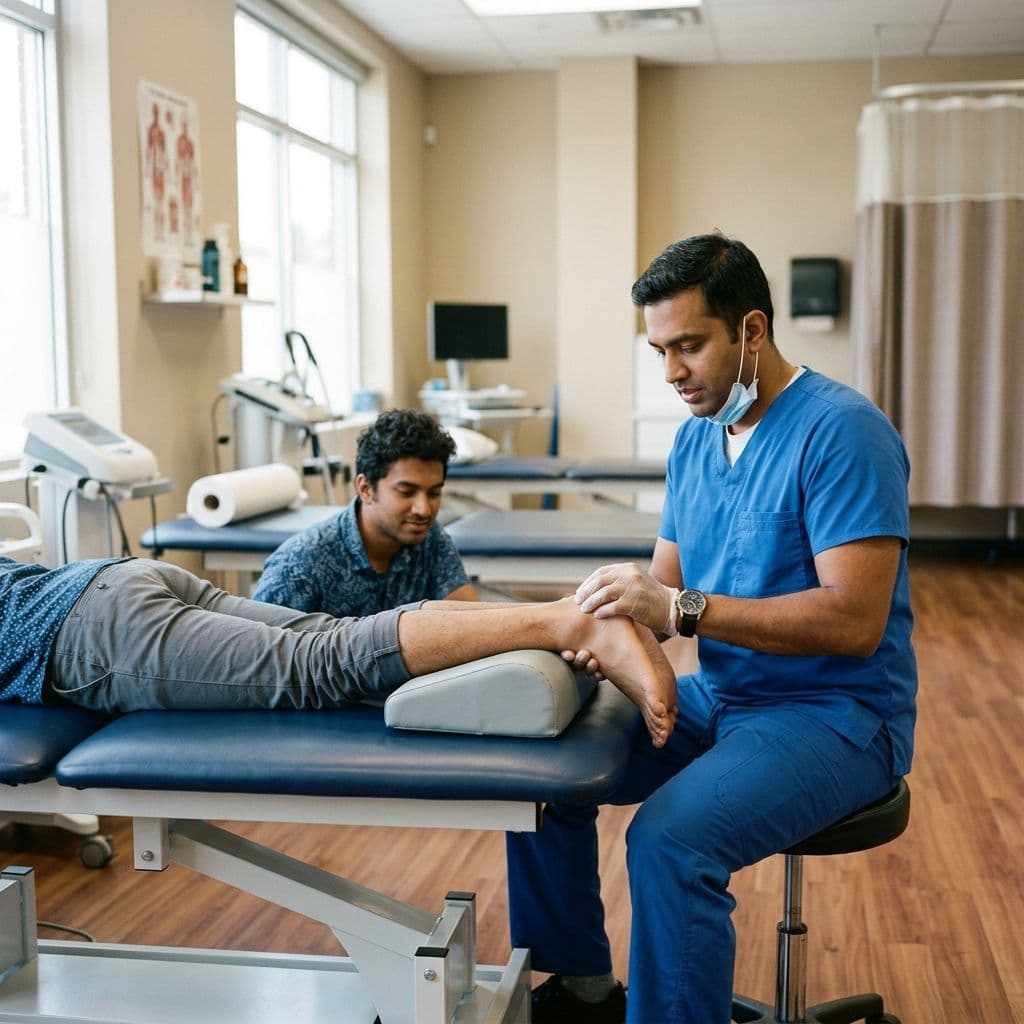
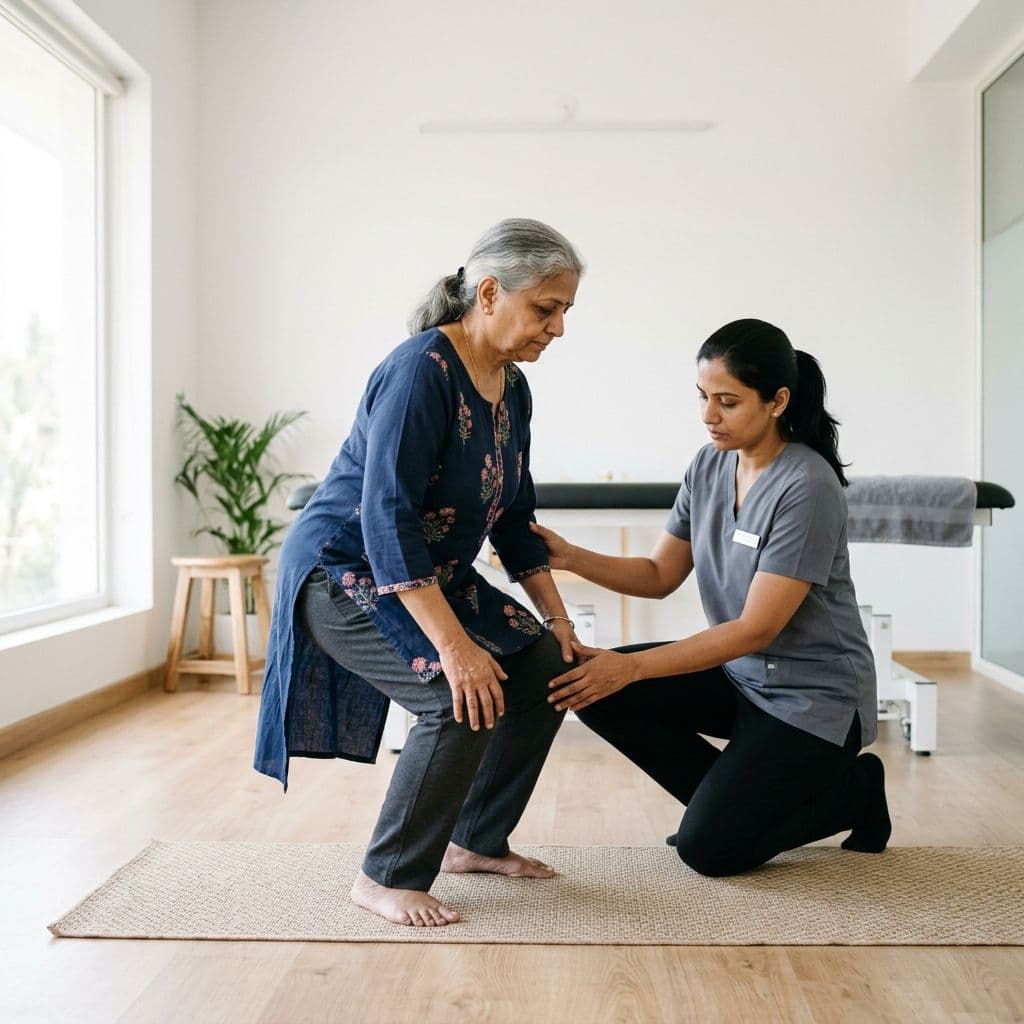
A proper physiotherapy assessment looks beyond the knee itself. At Physynex, this typically includes checking how the hip and ankle move and control the knee during functional tasks like squatting, stepping down, and walking, along with muscle strength testing and a review of daily movement habits and training load.
From there, treatment is built in stages: reducing irritation first, then restoring strength and control in the muscles that protect the joint, and finally a structured return to walking, stairs, sport, or gym training with load increased in a way the knee can actually tolerate. This is the difference between a knee that feels fine today and a knee that stays fine.
How long proper knee rehab actually takes
This depends heavily on how long the pattern has been going on and what's driving it, but there's a rough shape most recovery plans follow. The first one to two weeks usually focus on calming irritation and restoring pain-free range of motion. Over the following four to six weeks, strength work becomes the priority, targeting whichever muscle group testing identified as the weak link, often the hip external rotators or the outer quadriceps. The final phase, usually running in parallel with strength work rather than strictly after it, is about rebuilding tolerance to the specific activities that keep triggering pain: stairs, squatting, running, or sport-specific movements.
People who stop physiotherapy as soon as pain disappears, rather than completing this last phase, are the ones most likely to see the pain return within a few months. The strength and tolerance gains need enough time under load to actually hold up once you're back to full activity.
When to get it checked properly
If your knee pain has returned more than once, or if it flares up predictably with certain activities, that pattern itself is useful information. It usually points to a specific, correctable weakness rather than a mystery. A one-time assessment can identify exactly what that is, instead of repeating another cycle of rest and relapse.
If this sounds like your knee, book an assessment with the physiotherapy team at Physynex in Purasaiwakkam, Chennai, or call +91 92117 36580 to discuss what you're experiencing.