
Back to Directory

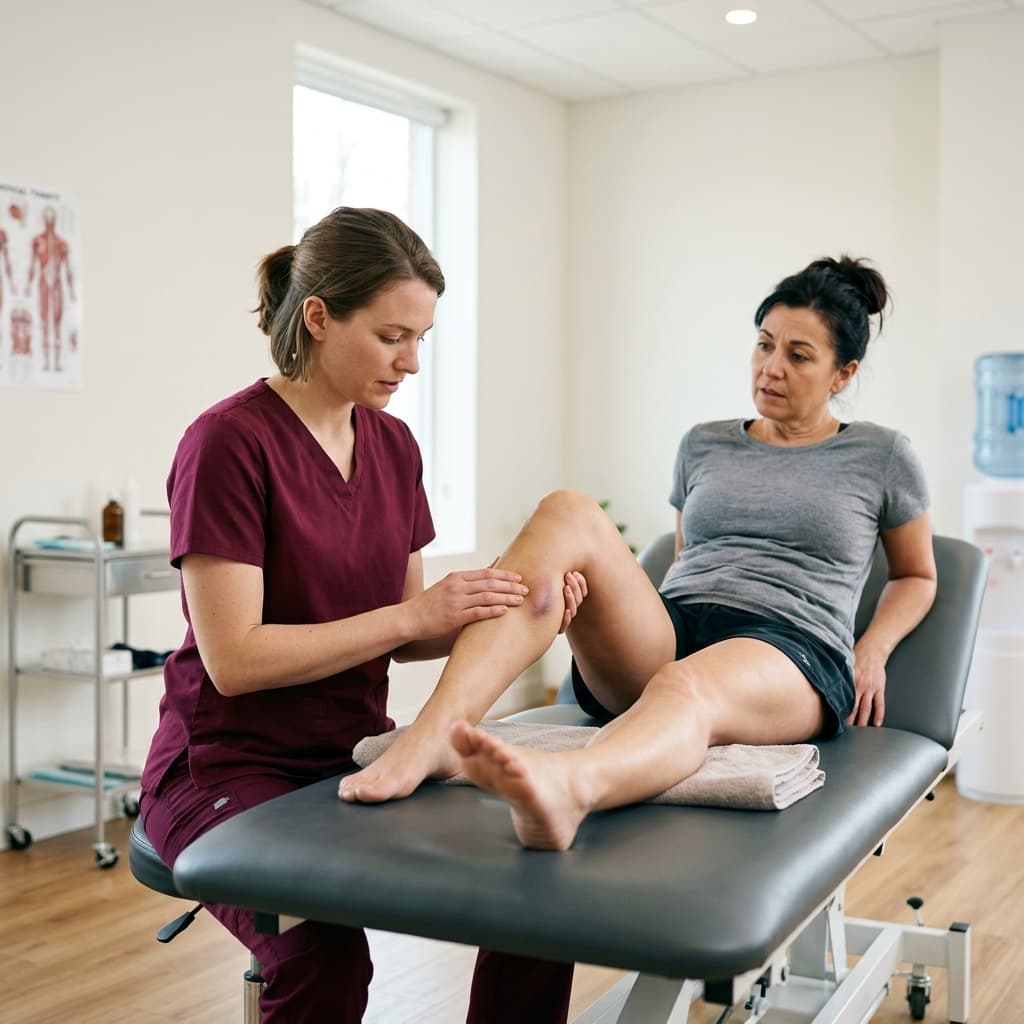
Physiotherapy for Muscle Tears

Assessment-led rehabilitation for muscle tears, acute pulls, and higher-grade soft-tissue injuries with staged return to sport and gym loading.

Clinical Analysis

Pathology Overview: Muscle Tears

This section explains how symptoms typically behave, what often keeps them going, and which physical capacities usually need to improve for recovery to hold up in daily life.

Muscle tears can range from a smaller acute pull to a more significant tissue injury that needs a slower return-to-load plan. They commonly affect the calf, hamstring, groin, quadriceps, or shoulder-adjacent muscle groups depending on sport, training volume, and how the injury happened.

Pain settling is only one part of recovery. A proper pathway rebuilds strength, tissue tolerance, power, and confidence so you can return to sprinting, lifting, jumping, or repeated effort without relying on guesswork.

At Physynex, muscle tear rehab is progressed in stages so the injured tissue is protected early, then prepared properly for higher-force performance demands instead of being rushed back too soon.

Clinical Snapshot

Assessment-led rehabilitation for muscle tears, acute pulls, and higher-grade soft-tissue injuries with staged return to sport and gym loading.

Typical Symptom Pattern

  • A sudden sharp pain or tearing sensation during sport or training
  • Difficulty pushing off, accelerating, or producing force after the injury
  • Bruising, swelling, or local tenderness over the injured muscle
  • Fear of re-injury during running, gym work, or return to play

What We Clarify During Assessment

Tear-specific assessment and staged planning
Strength and force-tolerance progression
Return-to-run or return-to-gym milestones
Sport-specific recovery checkpoints

Common Presentations

  • A sudden sharp pain or tearing sensation during sport or training
  • Difficulty pushing off, accelerating, or producing force after the injury
  • Bruising, swelling, or local tenderness over the injured muscle
  • Fear of re-injury during running, gym work, or return to play

Modalities Offered

  • Muscle tear grading and recovery-stage assessment
  • Early symptom management with protected loading guidance
  • Strength rebuilding and progressive tissue loading
  • Running, jumping, and sport-specific return planning
  • Performance testing before return to unrestricted activity
  • Recurrence-risk reduction through load and movement review

Clinical Approach

How Treatment Progresses

3 Rehab Stages

We first identify the likely severity of the tear, the demands you need to return to, and whether symptoms are still in a highly reactive stage. That helps us choose the right amount of protection without letting the area detrain unnecessarily.

As healing progresses, rehab becomes more performance-focused. The goal is to rebuild strength, speed tolerance, and confidence so you can return to training, competition, or higher-demand gym work with a stronger margin of safety.

Your Plan May Include

Tear-specific assessment and staged planning
Strength and force-tolerance progression
Return-to-run or return-to-gym milestones
Sport-specific recovery checkpoints
1

Assess and calm symptoms

  • Tear-specific assessment and staged planning
  • Muscle tear grading and recovery-stage assessment
  • Early symptom management with protected loading guidance
2

Restore movement and capacity

  • Strength and force-tolerance progression
  • Strength rebuilding and progressive tissue loading
  • Running, jumping, and sport-specific return planning
3

Return to daily activity and sport

  • Sport-specific recovery checkpoints
  • Performance testing before return to unrestricted activity
  • Recurrence-risk reduction through load and movement review
Patient Recovery Protocol

Active Management Guidance

Avoid jumping straight back into speed or heavy loading when pain eases
Rebuild strength before testing max effort or sprinting
Use objective milestones instead of time alone for return decisions
Keep preventive loading in the plan after returning to sport

Clinical Q&A

Is a muscle tear different from a muscle strain?

They are related, but a muscle tear usually implies a more definite tissue injury and may need a more cautious loading plan than a minor strain or tightness episode.

How do I know when it is safe to return to sport after a muscle tear?

Return to sport depends on strength, pain behavior, running or power tolerance, and how well the muscle handles progressive sport-specific demands, not just the number of days since injury.

Can physiotherapy reduce the risk of tearing the same muscle again?

Yes. Good rehab improves tissue tolerance, strength, speed readiness, and the training-load decisions that often lead to recurrence.